About the Rosy Ind Bursary Award for Emerging Printmakers
In 2023 we had the tremendous pleasure of introducing the Rosy Ind Bursary Award for Emerging Printmakers in memory of Rosy Ind. Rosy was a valued and active member, and supporter of SPW who also contributed to a number of our projects. Read more about Rosy below.
The aims of the Rosy Ind Emerging Printmaking Bursary Award have been to develop the skills and expertise of emerging printmakers, to provide creative opportunities for young people from diverse backgrounds and also to grow and develop the membership of Swansea Print Workshop to ensure its longevity as an organisation.
Through the Award, we were able to offer bursaries to three emerging artists (two in 2023/24 and one in 2025/26). This was made possible by the generous support of friends and colleagues of Rosy Ind and by the support and encouragement of The Brecknock Trust
2025-26 Rosy Ind Emerging Printmakers Bursary Award
Menna Jones
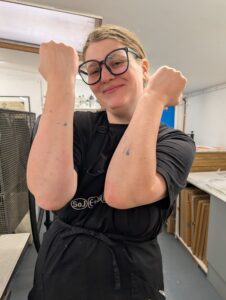
In the year of our 25-year anniversary, the recipient of the 2025 Rosy Ind Award was Menna Jones, an exceptionally talented artist and designer.
The Emerging Printmaker bursary supported Menna in a tailor-made programme including 1-to-1 mentoring, workshops and other activities.
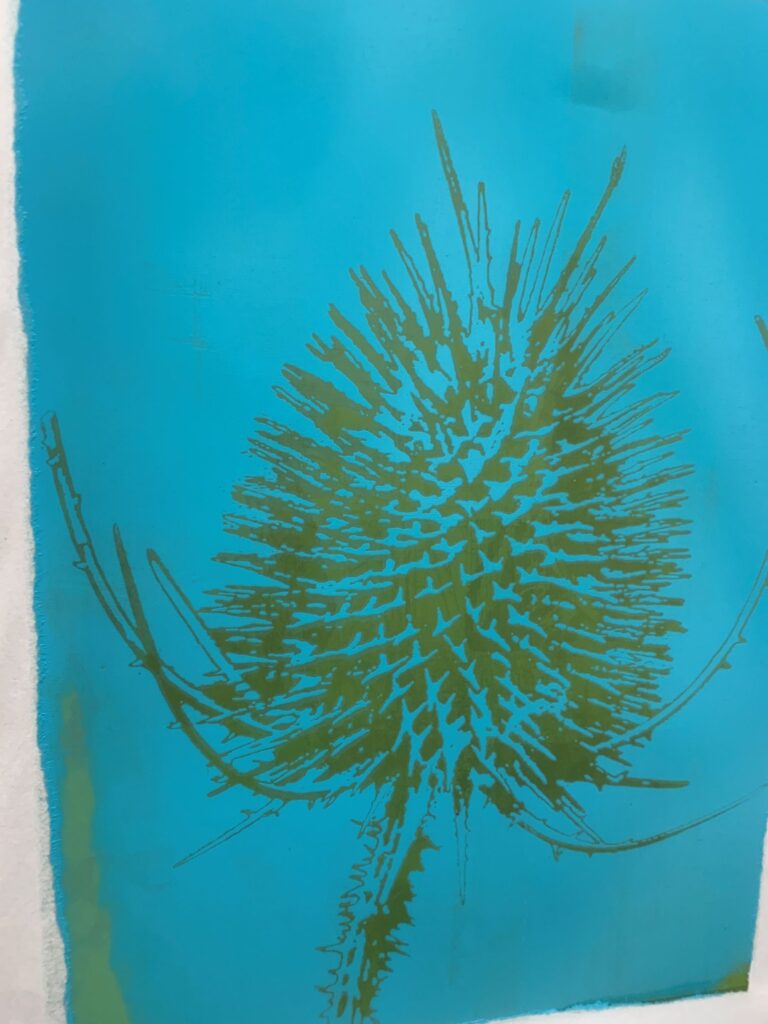
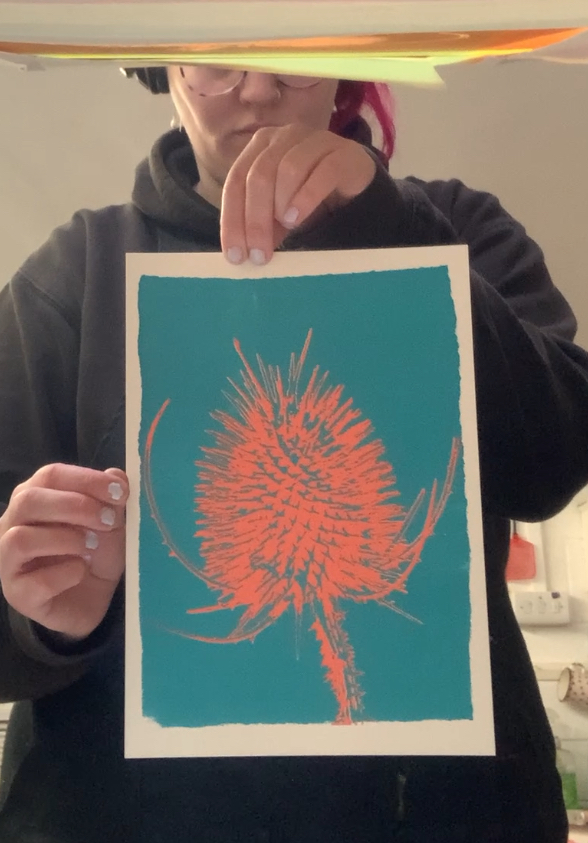
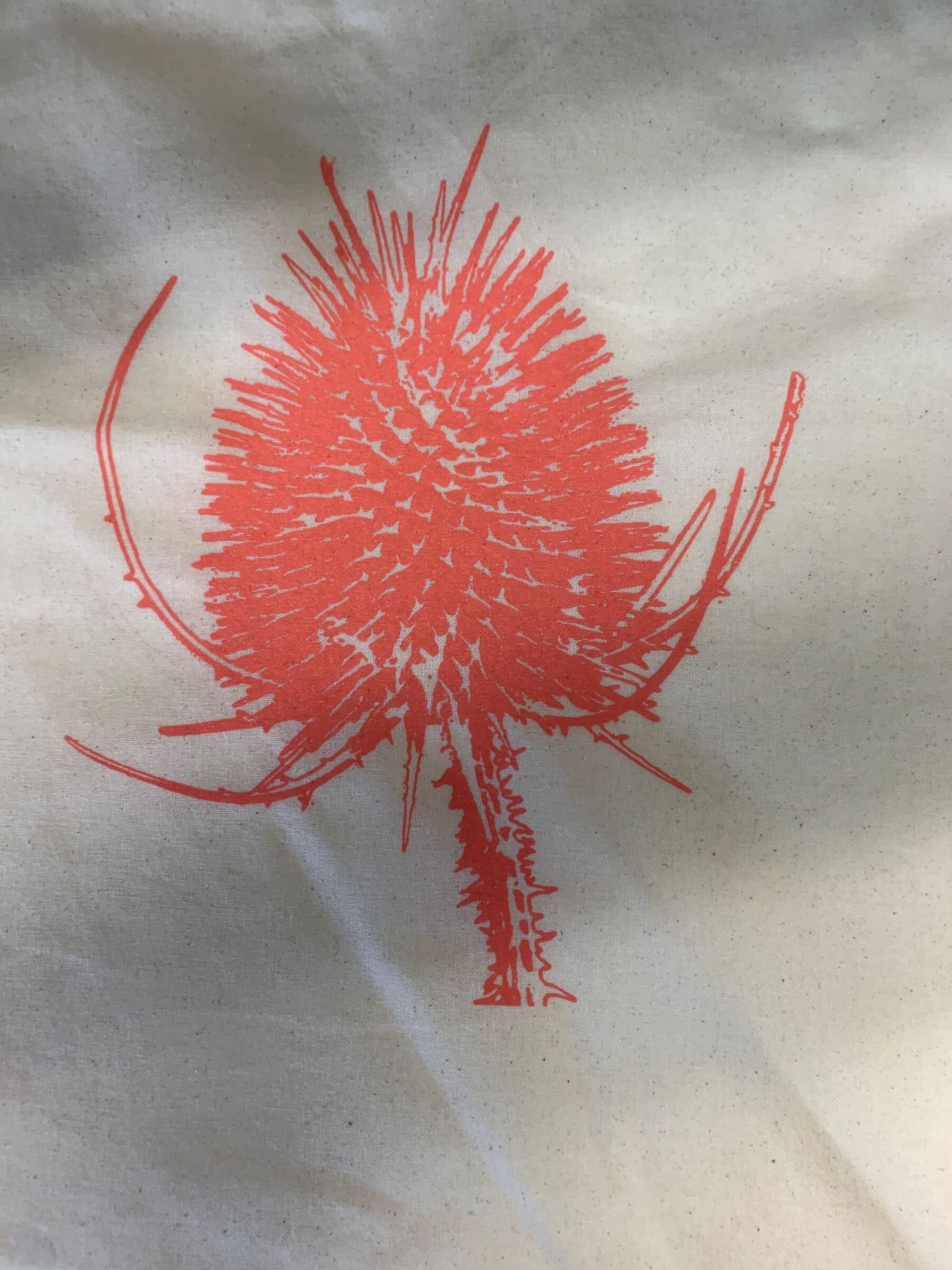
During her busy bursary period, Menna proved herself to be an ambitious and highly capable independent artist with a natural eye for design and a technical aptitude. She actively engaged in her workshop programme and explored numerous processes and techniques, including etching, wood engraving, cyanotype, and linocut, in addition to her primary focus – screenprinting.
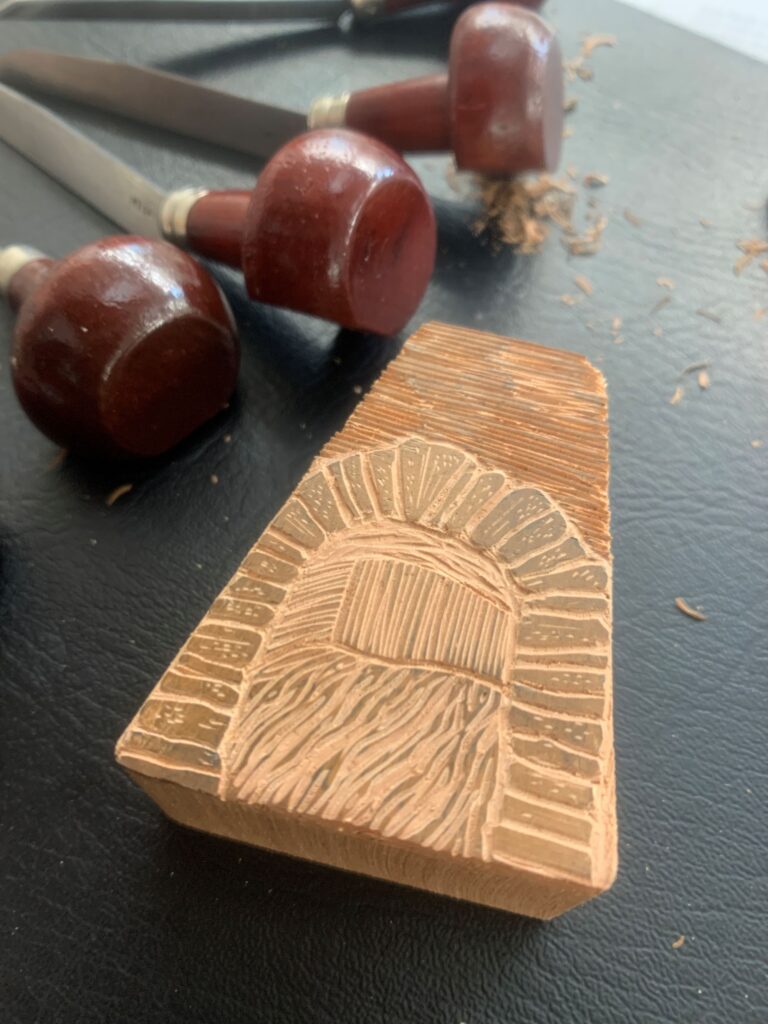
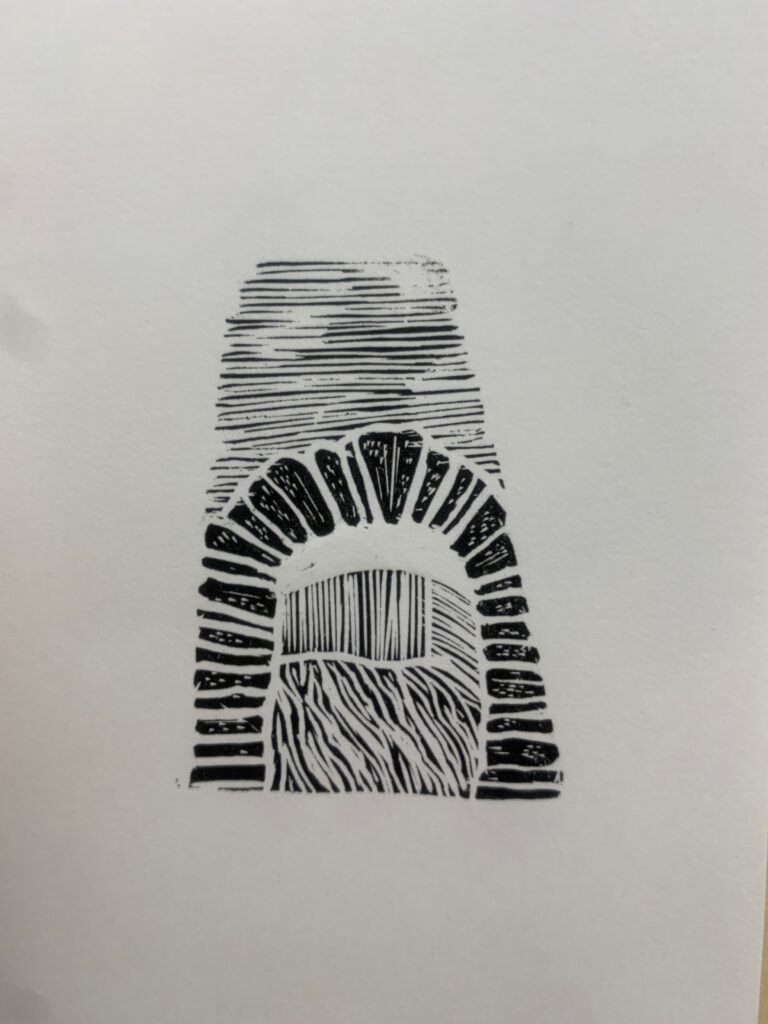
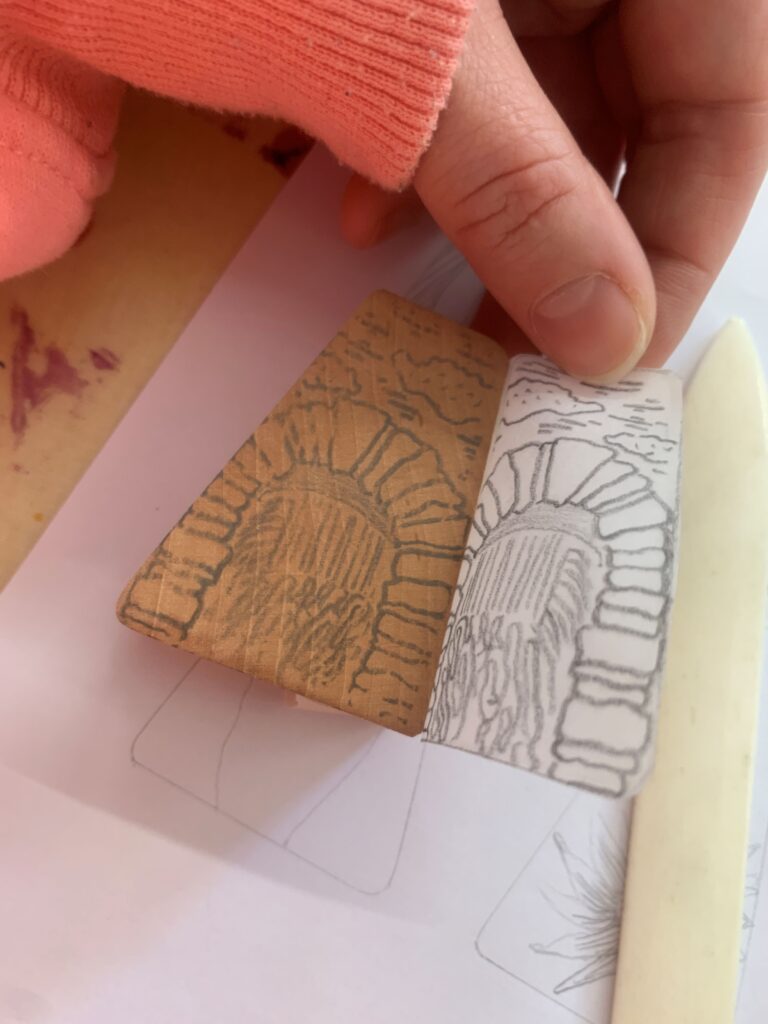
“This invaluable experience has significantly expanded my understanding of wood engraving and printing methods, enriching my skills and creative approach.”
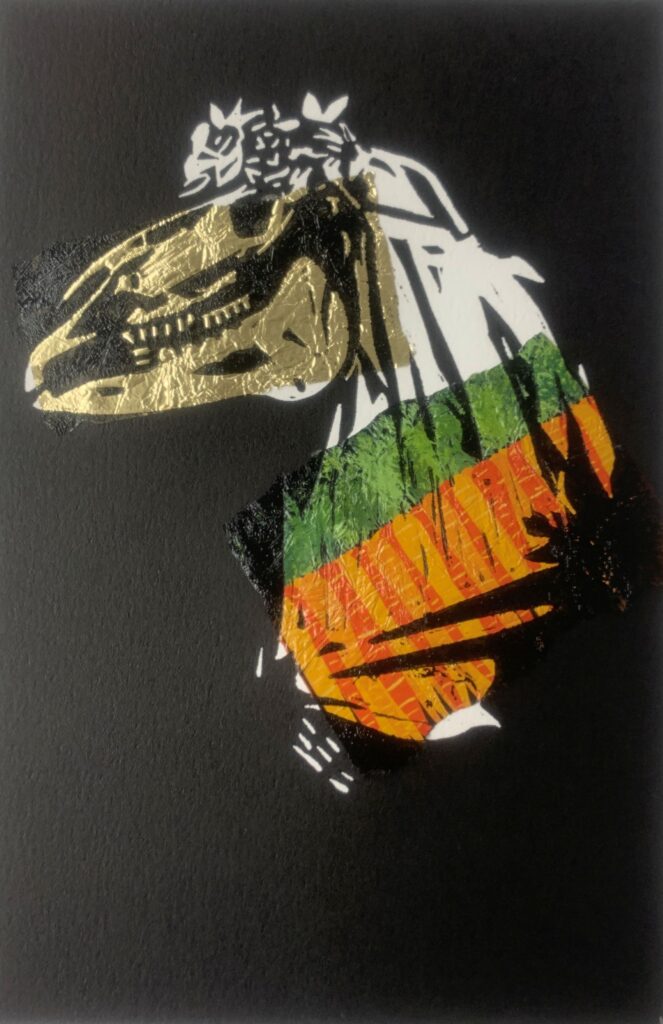
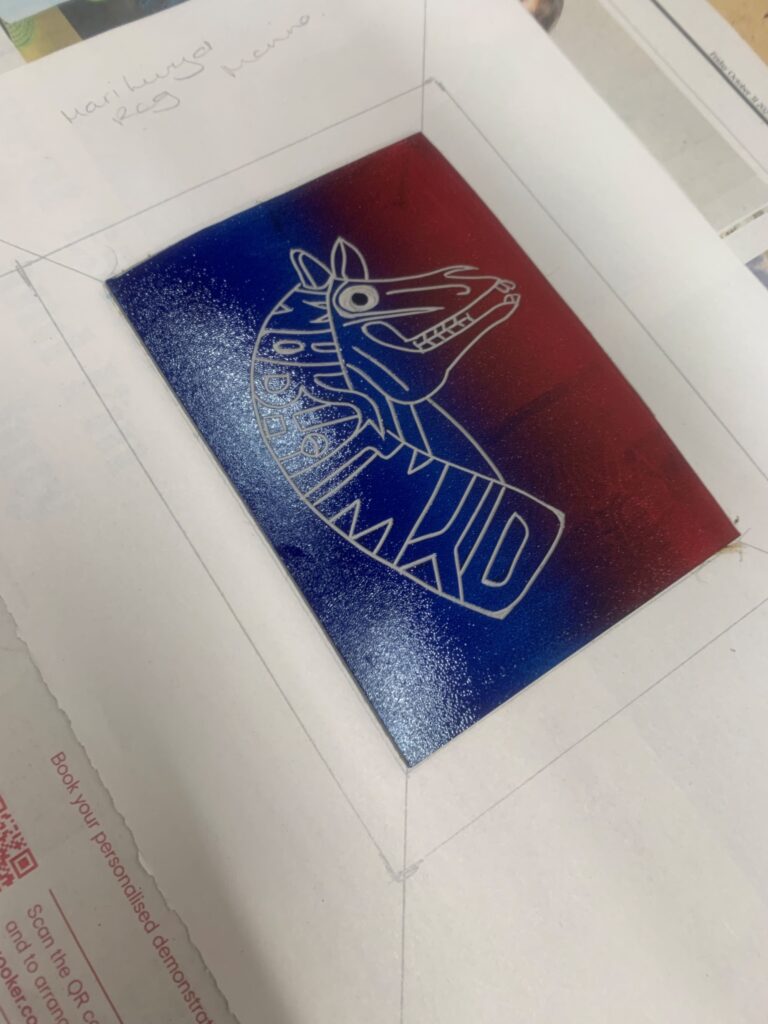
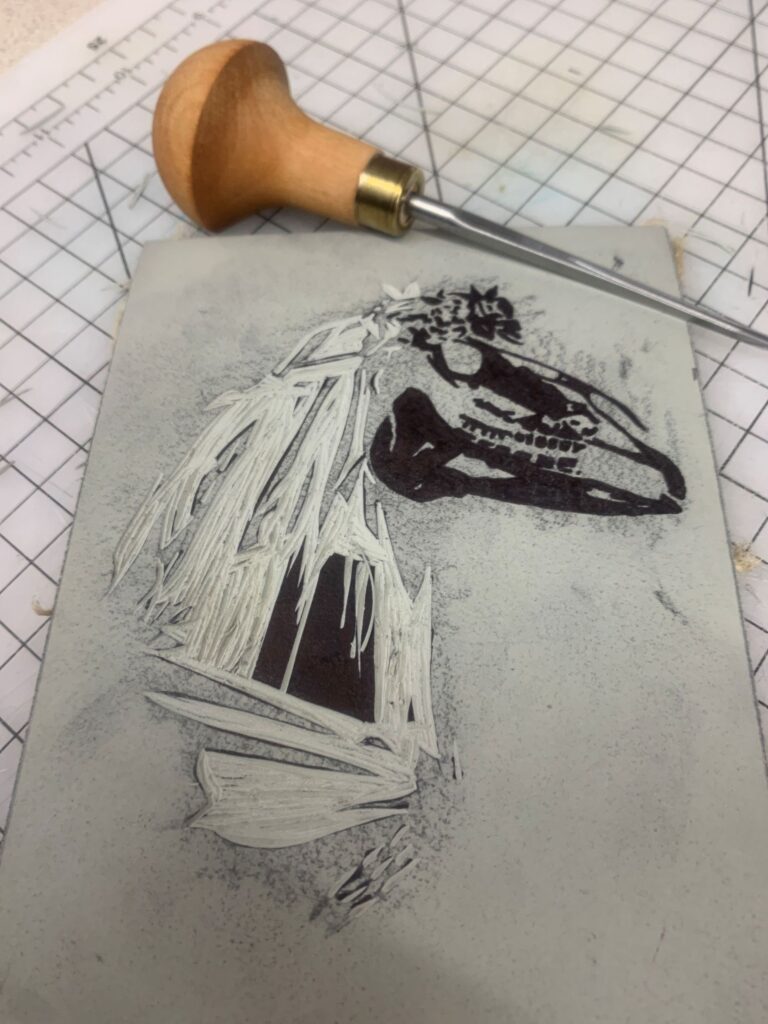
“It was amazing. Loved every second”
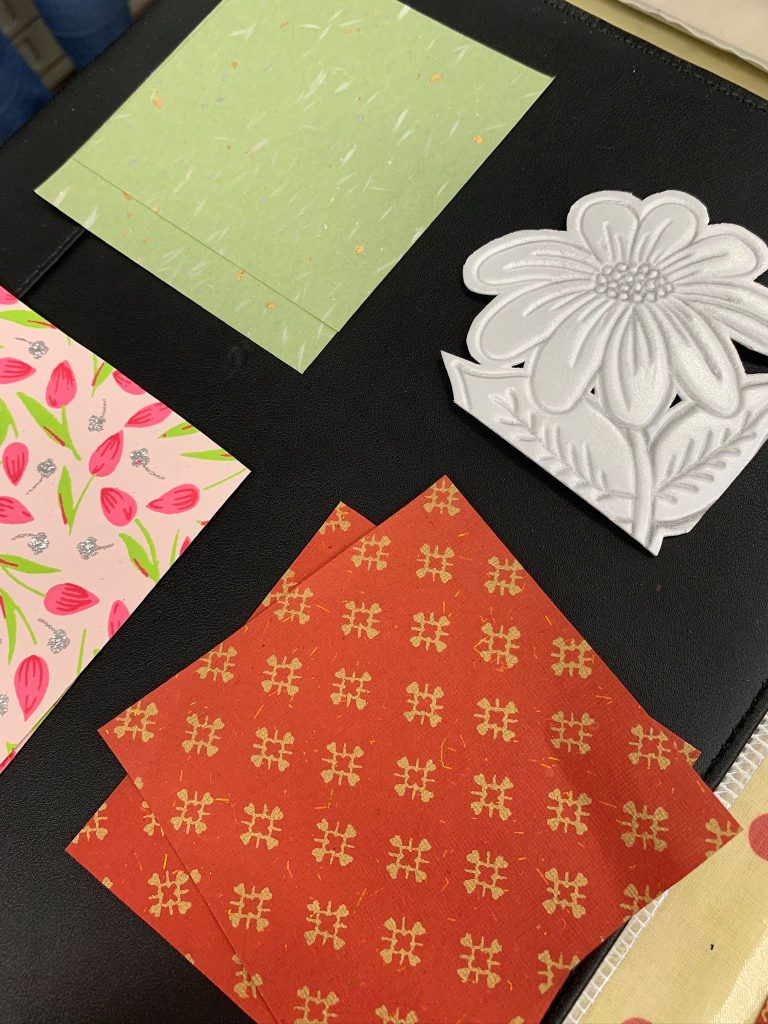
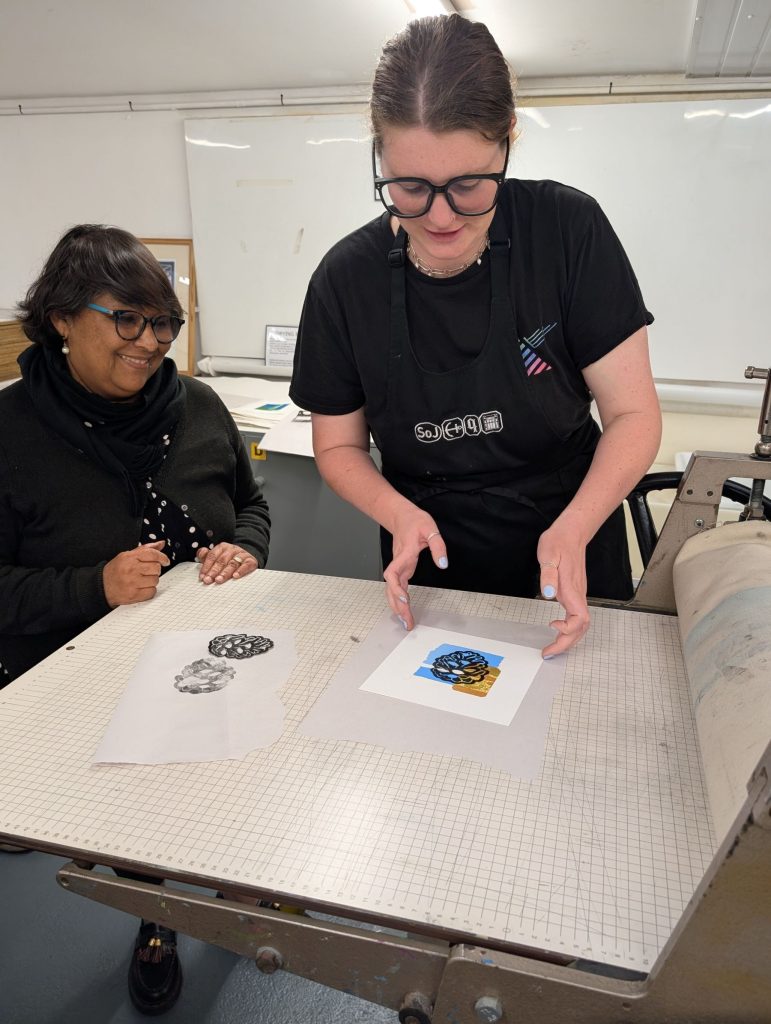
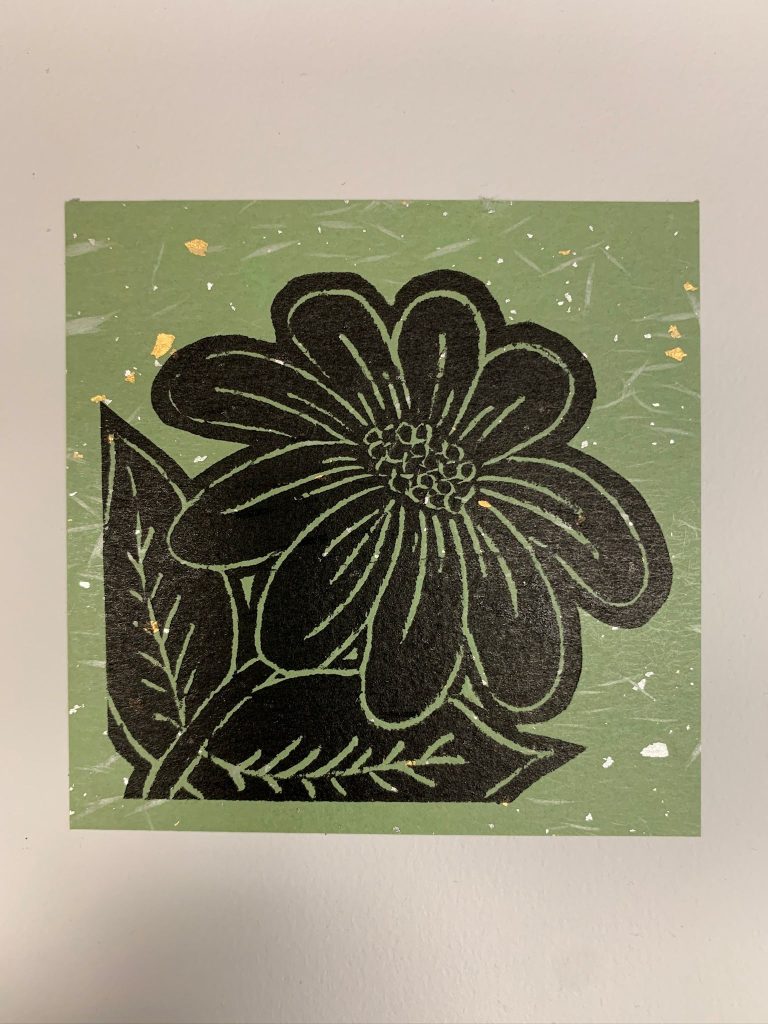
“Vinita was a wonderful teacher, making the experience both engaging and informative. It was a great hands-on printmaking experience.”
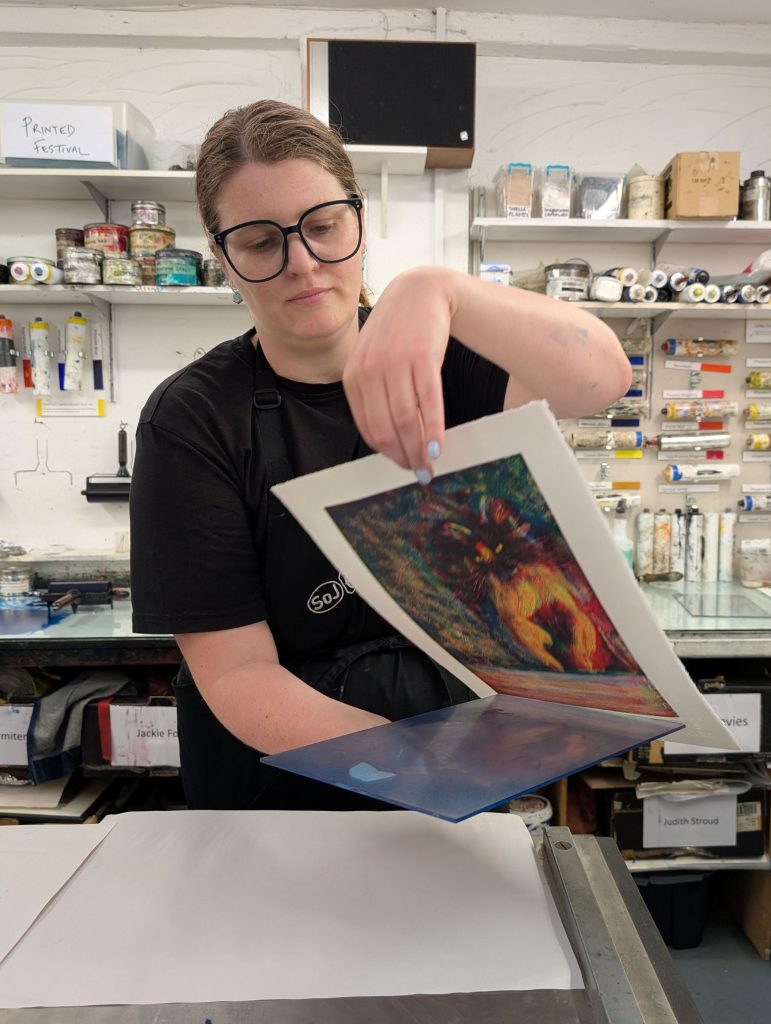
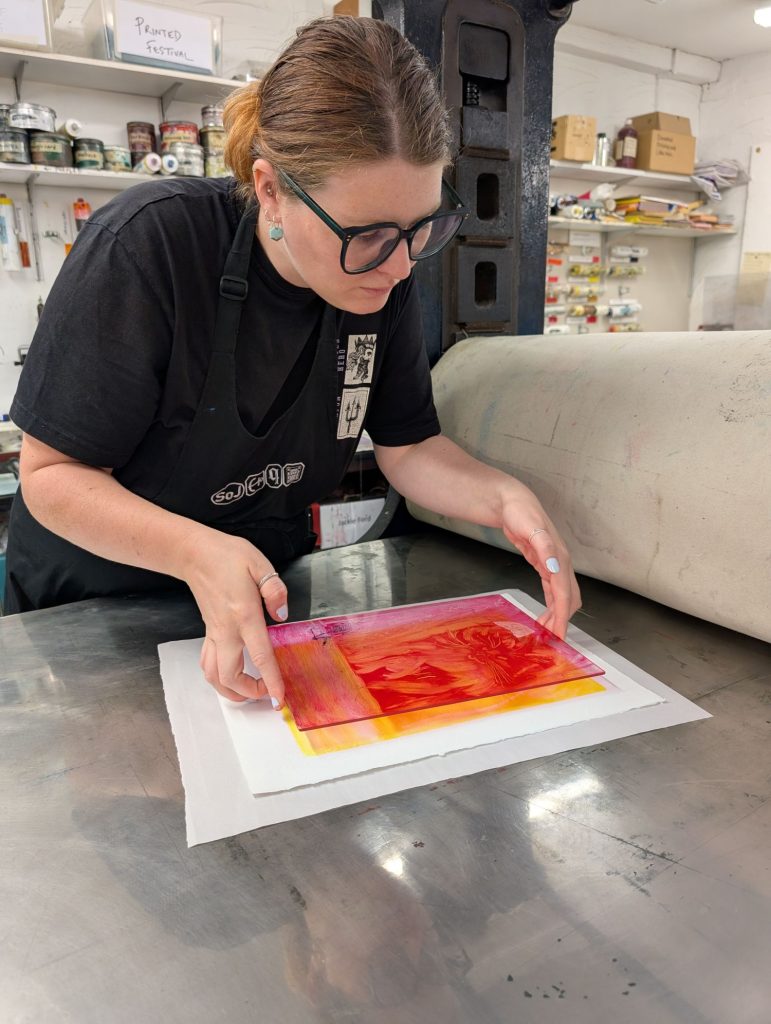
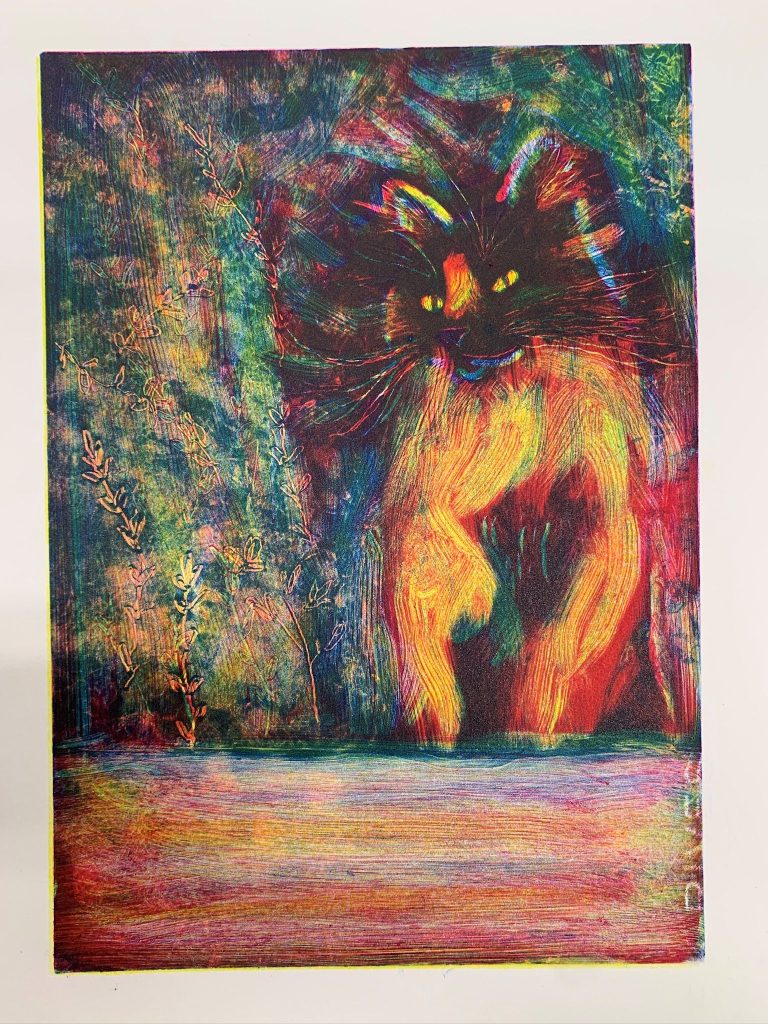
“Vinita’s guidance helped me push through my difficulties and gain a deeper understanding of colour use in Monotypes & Monoprints. It was a very rewarding experience.”
Menna made full use of Open Access studio time and engaged in additional activities throughout the year, including taking part in collaborative printmaking on one of SPW’s Group Print Days led by Sarah Hopkins.
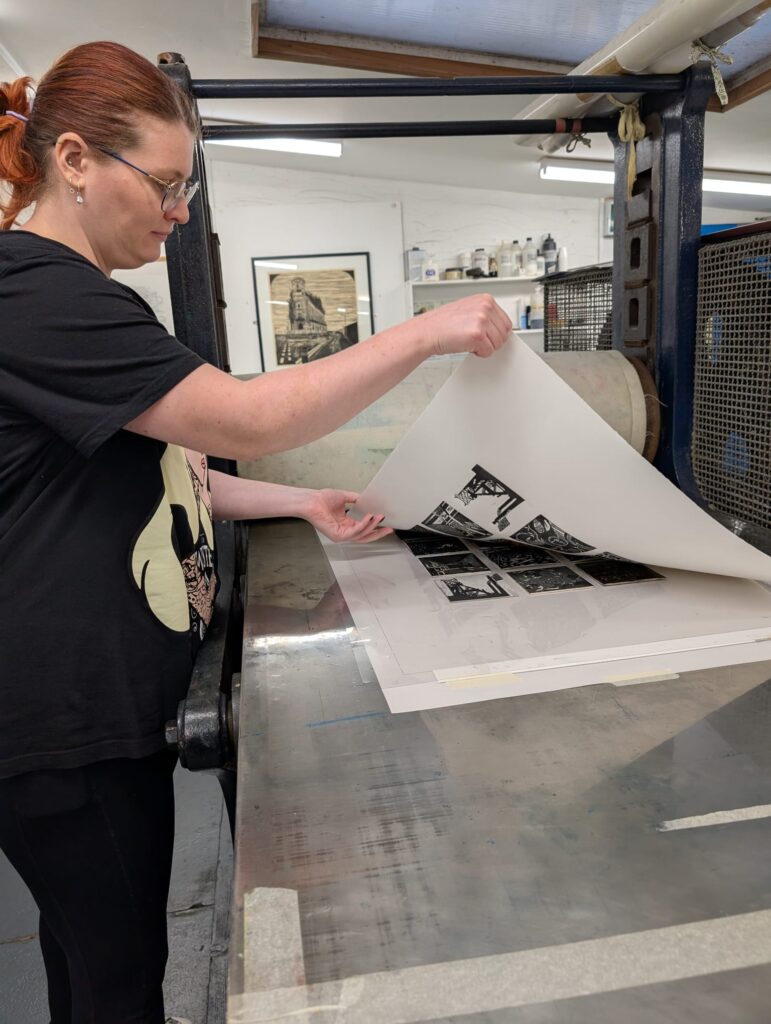
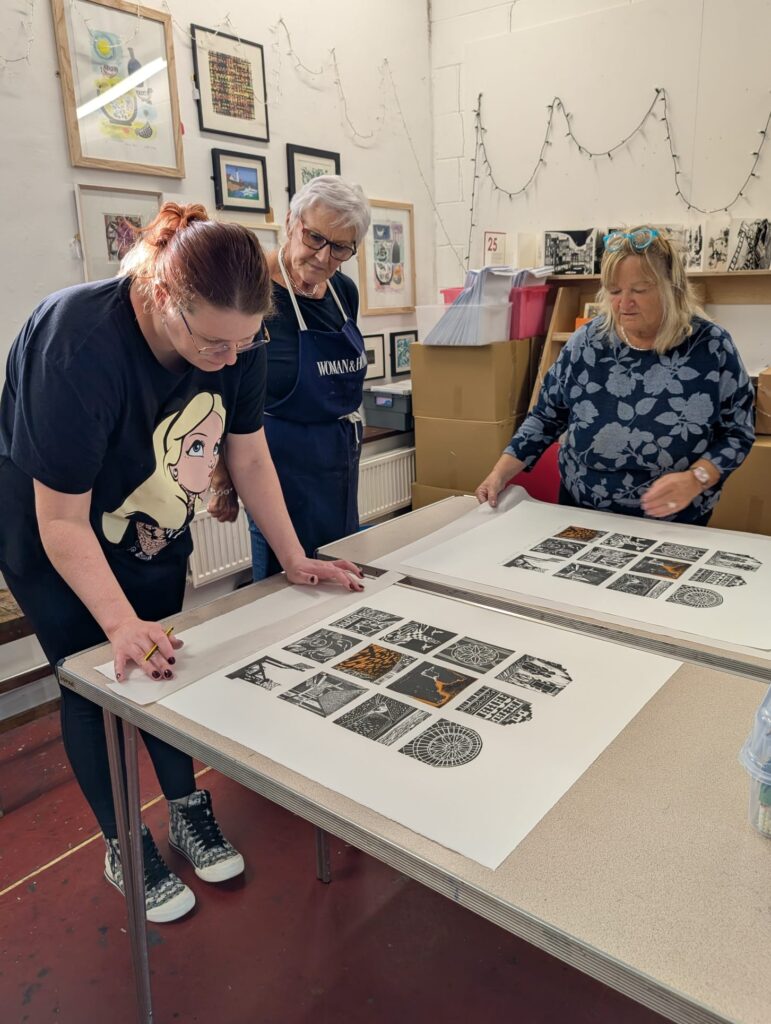
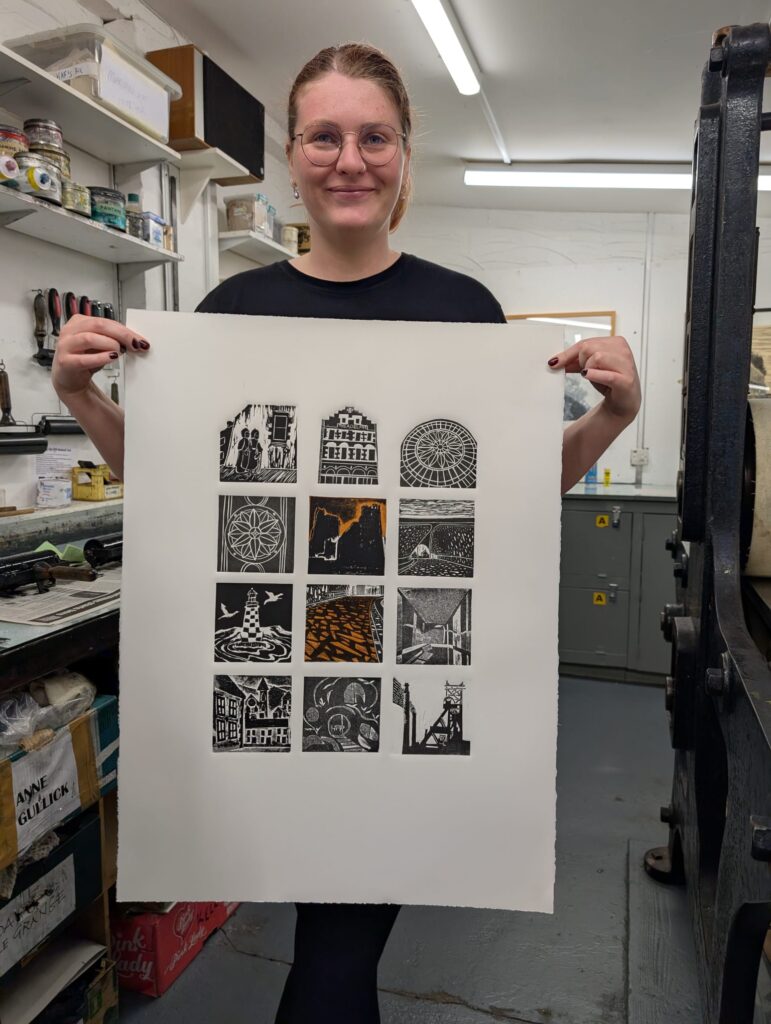
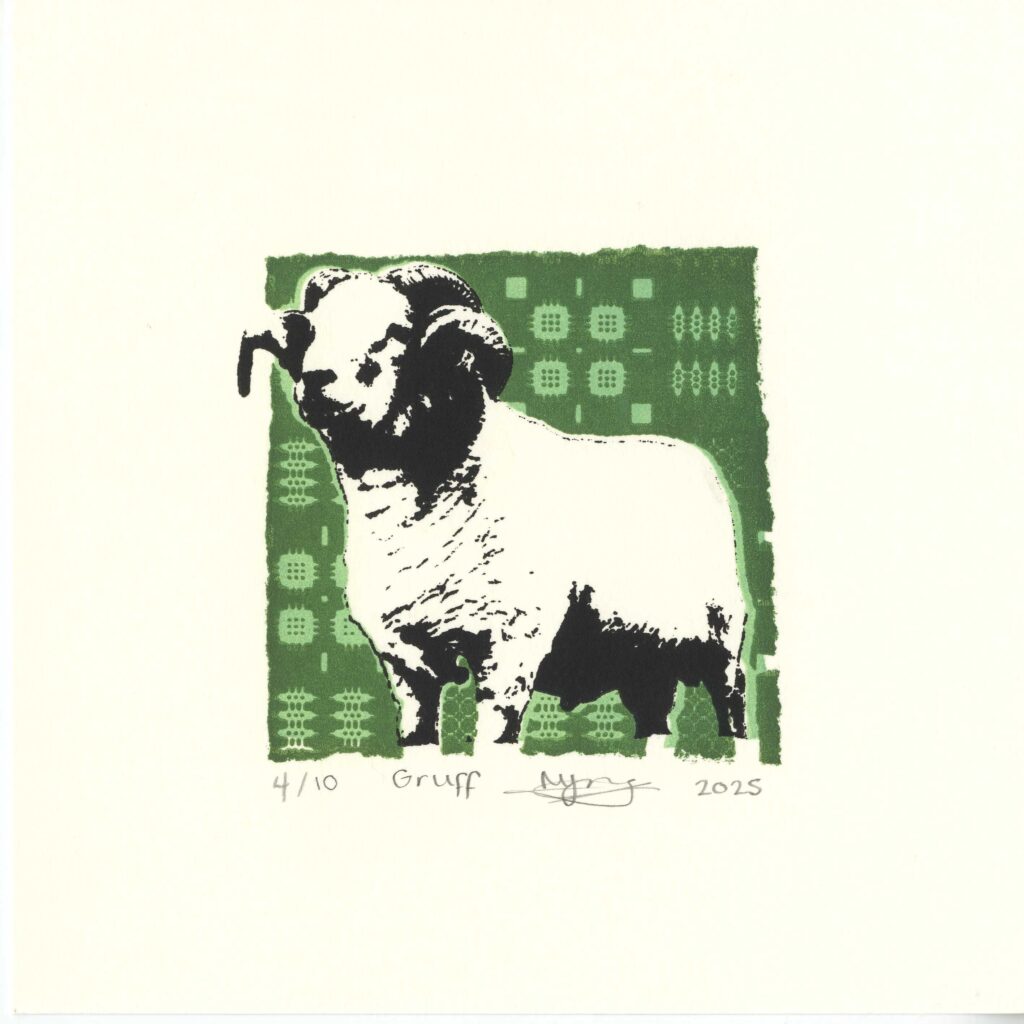
All three of her submitted prints were selected for the prestigious MiniPrint Cymru | Wales exhibition which was shown at the Mission Gallery, Swansea and Mostyn, Llandudno.
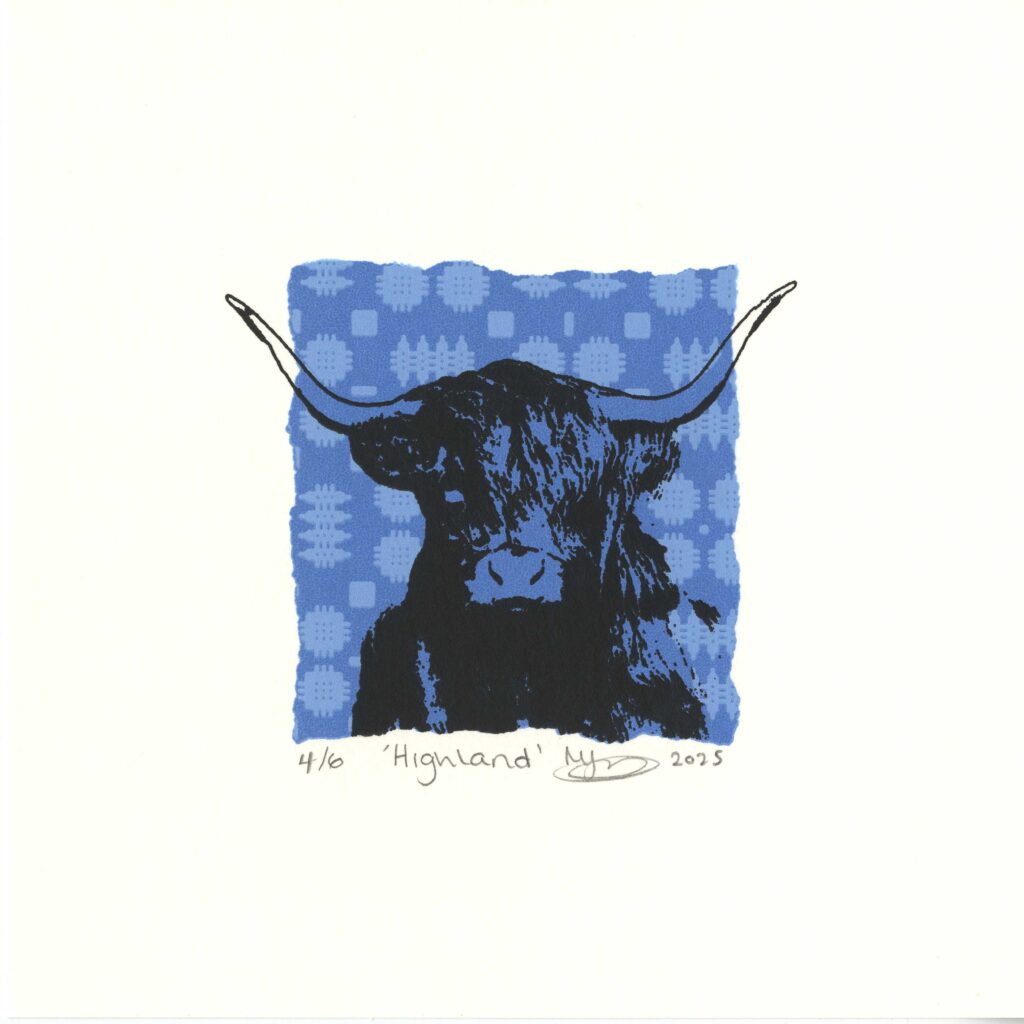
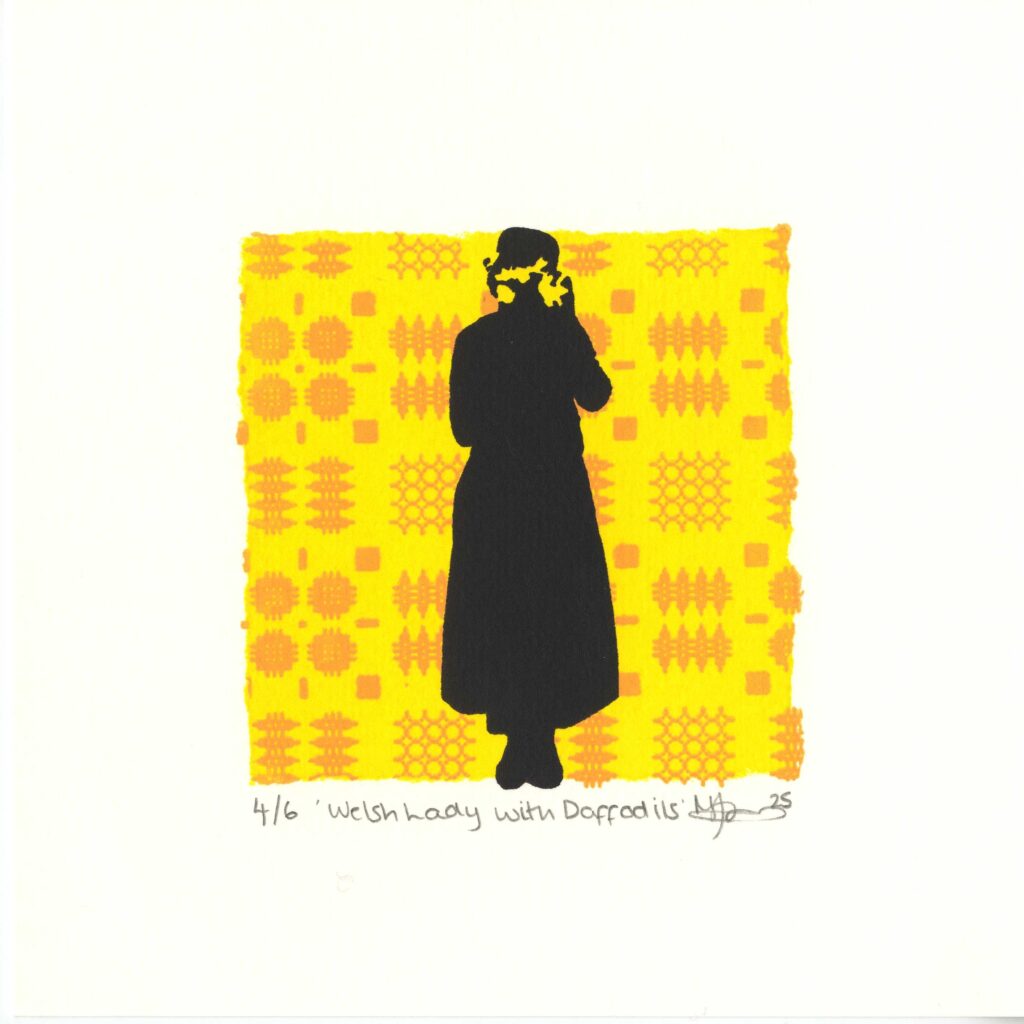
Menna was supportive as a volunteer, and assisted lead artists with the preparation of equipment and materials for practical sessions. She was a huge champion of the Proof the Roof fundraising campaign, offering digital support. Menna’s generosity and time have been invaluable to the Swansea Print Workshop family.
With a background in silversmithing and jewellery design, Menna’s ambitions at the start of her bursary period were to “expand my creative practice, by integrating silver with printmaking techniques to produce unique pieces of art”. She was keen to engage with wider audiences, position herself within the contemporary art scene and advance her career beyond conventional craft boundaries, establishing herself more prominently as an artist and designer.
At the end of the bursary period, SPW were delighted to host Menna’s End of Award exhibition to celebrate her printmaking journey, a journey which continued in 2026 with learning opportunities abroad.
Menna has shared her thoughts on the experience of the Rosy Ind Bursary Award:
Over the past year my skill set has expanded significantly. Receiving the Rosy Ind award has had a profound impact on my practice, opening opportunities to learn a wide range of printmaking and mark‑making techniques through workshops with generous, skilled artists. Exploring screenprinting, block printing, monotypes, wood engraving, BIG etching and chine‑collé has helped me refine both process and aesthetic, and taught me a great deal about how my work and voice sit within different media.
From this exploration I’ve identified two primary mediums that will form the backbone of my practice: photographic screenprinting and block printing. These techniques best enhance the graphic direction my work has taken — bold, considered compositions with strong tonal and textural contrasts. I will complement those with BIG etching, which I plan to incorporate directly into my jewellery: designing patterns in copper and using them to emboss detail into silver pieces, marrying print and metalwork in a tactile way.
This year has also given me the confidence to pursue learning opportunities abroad. I spent two weeks at Bildwerk in Freunau, Germany studying vitreography with glass artist Mark Angus in his personal studio, and completed a week‑long multi‑printing in colour course with Edinburgh‑based artist Anupa Gardener. A year ago I would not have taken these steps; now I intend to bring vitreography to the Swansea Print Workshop and to continue developing the new techniques I’ve learned there. Overall, the past year has been transformative professionally. The award, the workshops and the time spent making have not only broadened my technical range but strengthened my creative direction — a clearer, more graphic language that I am excited to continue developing in both prints and jewellery. Menna Jones


Menna at Bild-Werk Frauenau, Germany
About Menna
Menna is a contemporary Welsh artist and designer. Her jewellery and screenprint creations reflect a deep connection to her environment and artistic heritage.
Menna’s first introduction to printmaking was in her teenage years as a volunteer at Swansea Print Workshop where she developed her skills across a variety of techniques including screenprinting, cyanotype, and linocut. Her educational journey began with an Art Foundation course in Swansea, which laid the groundwork for her exploration of various media. She then studied Architectural Stained Glass for a year at Swansea Metropolitan University before pursuing a part-time Silversmithing course at Gower College. This diverse training culminated in a Higher National Diploma in Jewellery and Silversmithing, followed by a top-up BA year in Design for Industry at the School of Jewellery in Birmingham – a comprehensive programme tailored to prepare students for competitive design careers by fostering skill development across specialised areas.
www.mennajonescreative.uk | @menna.jones.creative
2023-24 Rosy Ind Emerging Printmakers Bursary Award Bursary Award
In 2023 we awarded the inaugural Rosy Ind bursaries to two emerging printmakers: Wanesa Kazmierowska and Isabel Porch.
Each emerging printmaker was supported in a tailor-made programme including 1-to-1 mentoring, workshops and Open Access studio time. They were encouraged and supported to engage in other activities during their bursary period.
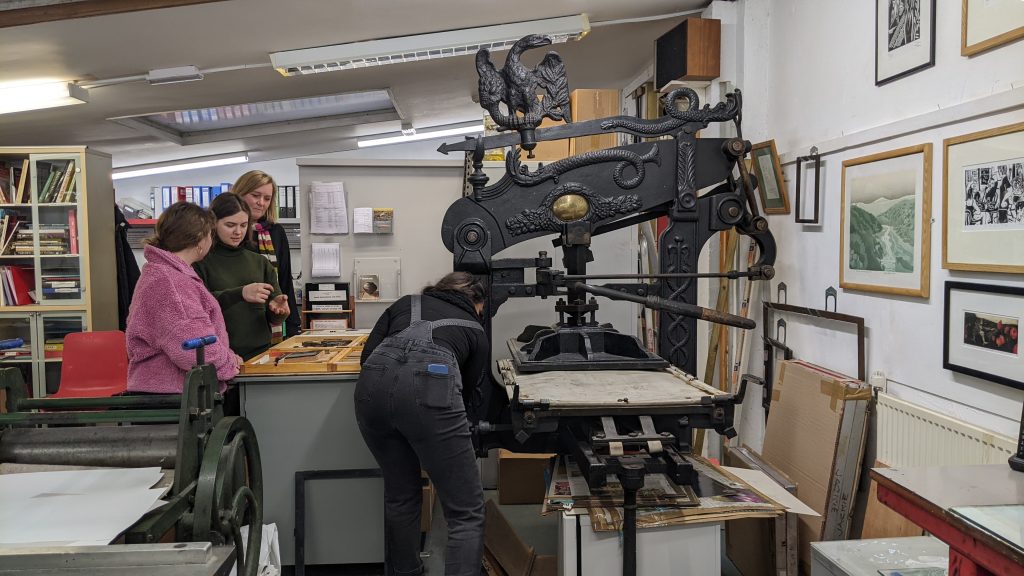
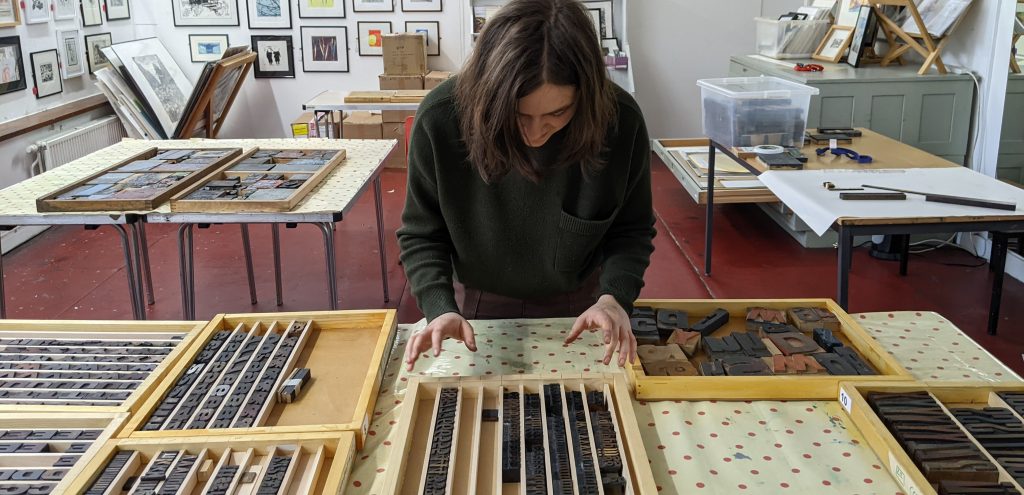
The programme offered them a variety of workshops: collagraph, vinyl cut, 3 colour monotype, letterpress, wood engraving, cyanotype and screenprinting. Each artist explored techniques new to them as well as processes which they wished to focus on.
Wanesa Kazmierowska
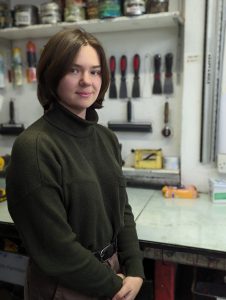
Wanesa took every opportunity that the Rosy Ind Award offered. She worked incredibly hard, was open to learning new printmaking techniques, editioning, and more from other printmakers in the Studio. Her creativity and enthusiasm for printmaking was refreshing and inspiring.
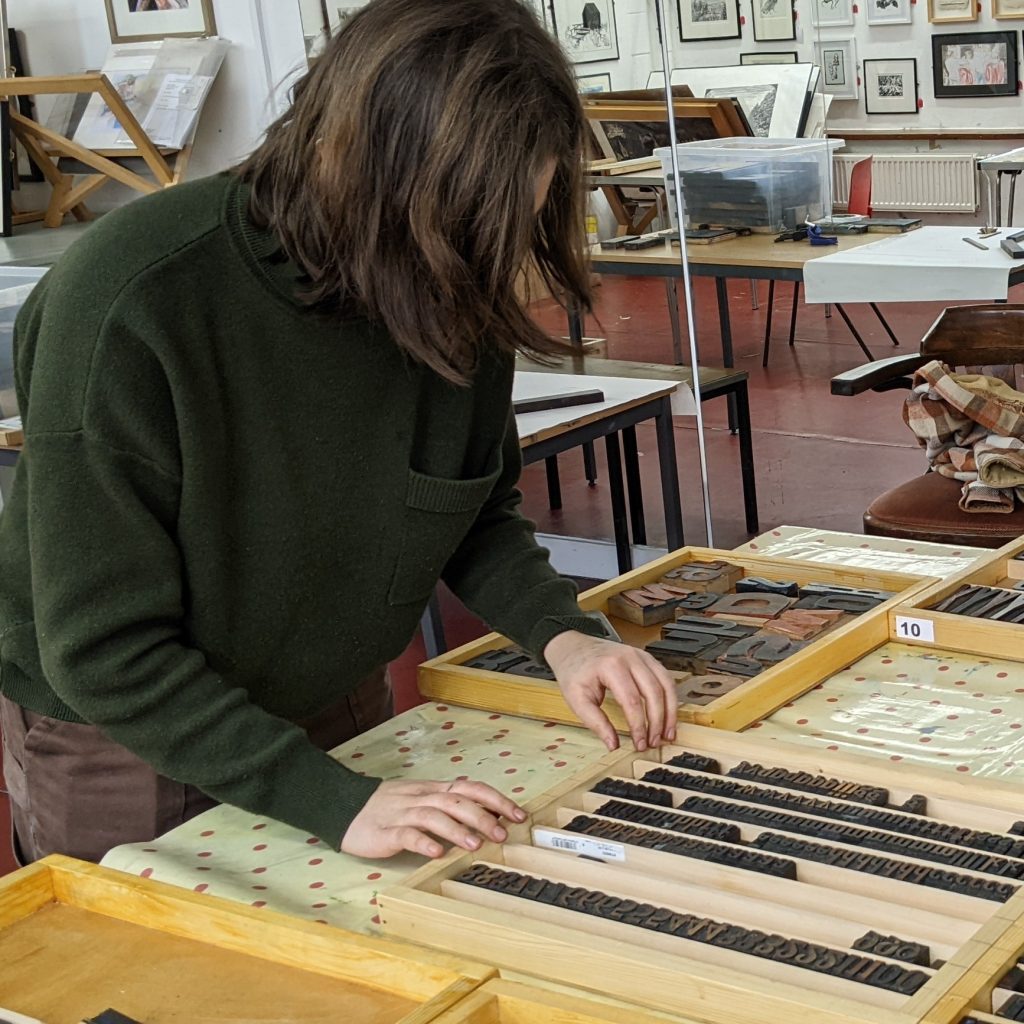
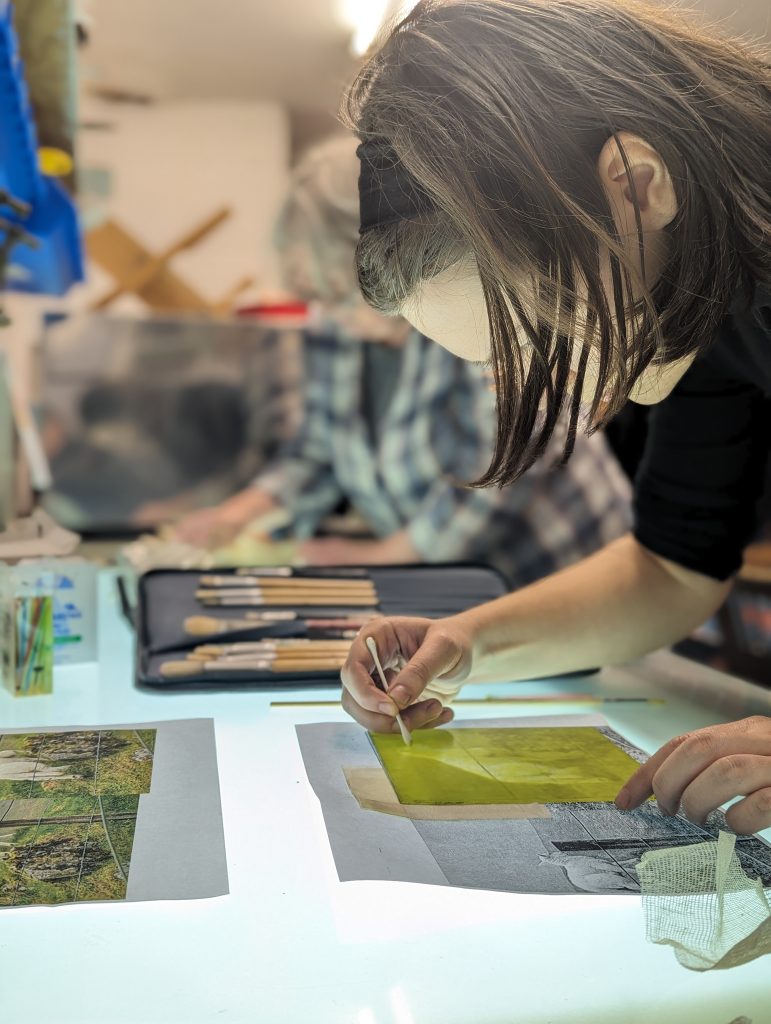
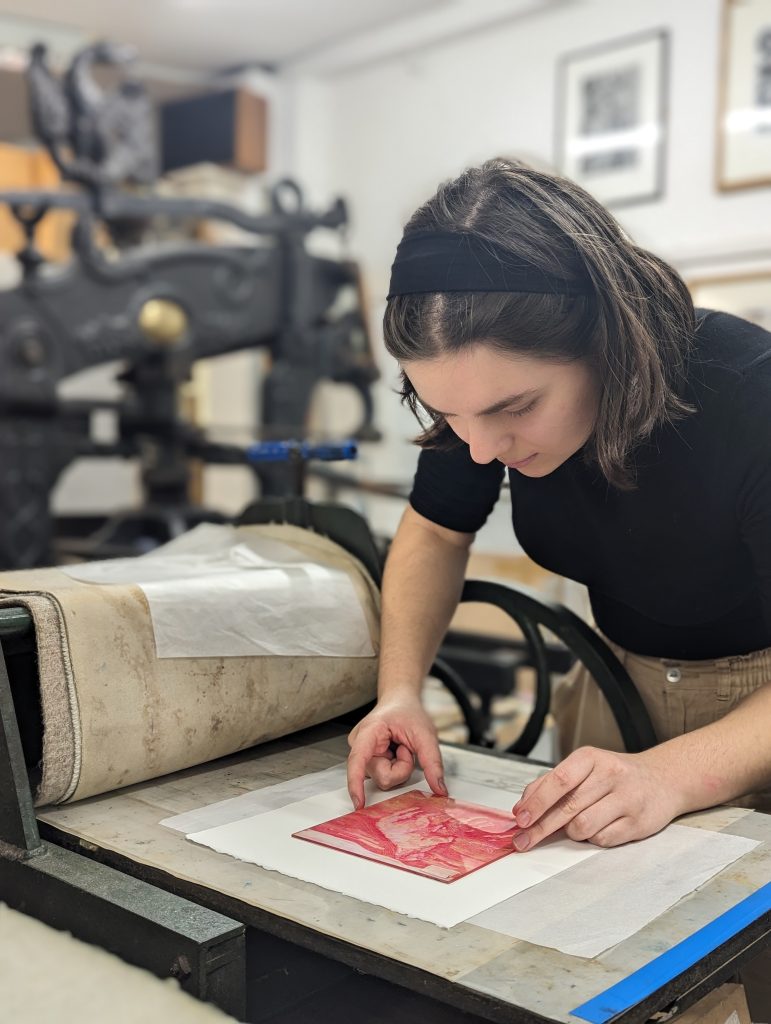
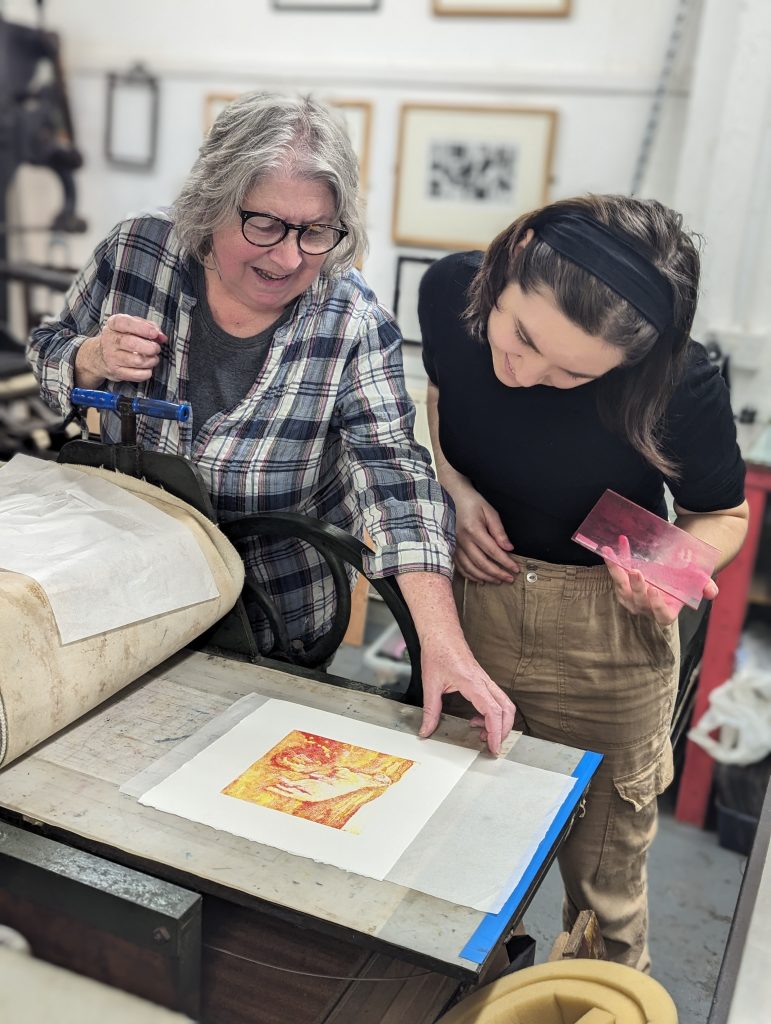
“I really enjoyed this more ‘free’ form of printmaking , and having to think of how the three colours would affect each other was really stimulating.”
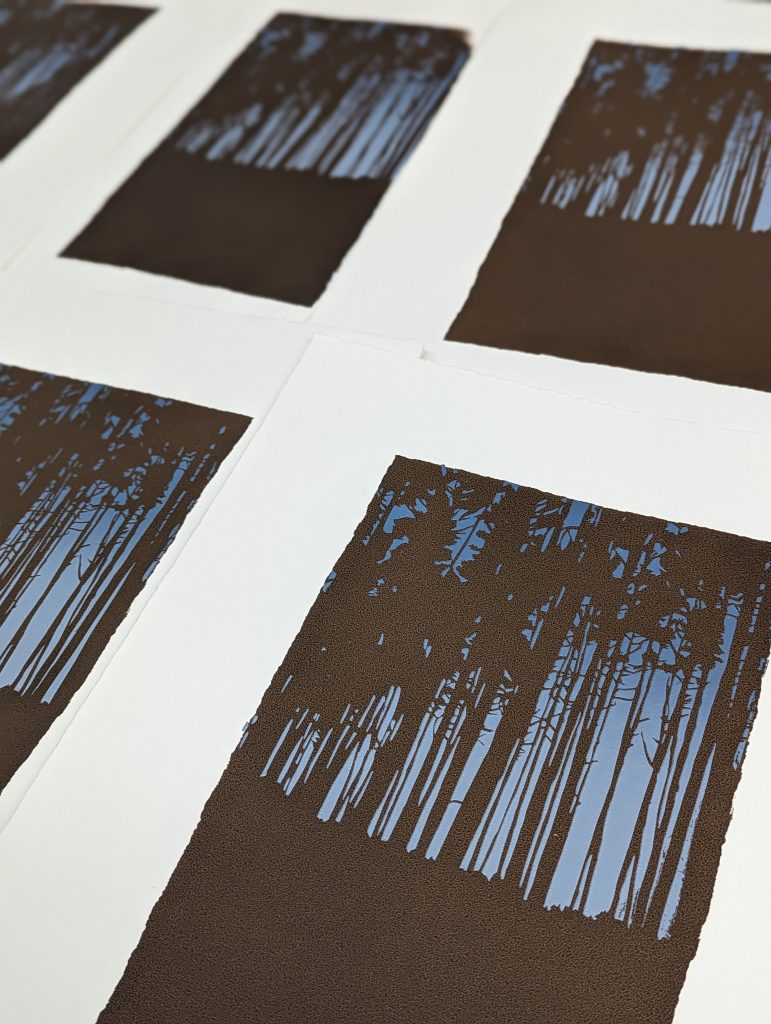
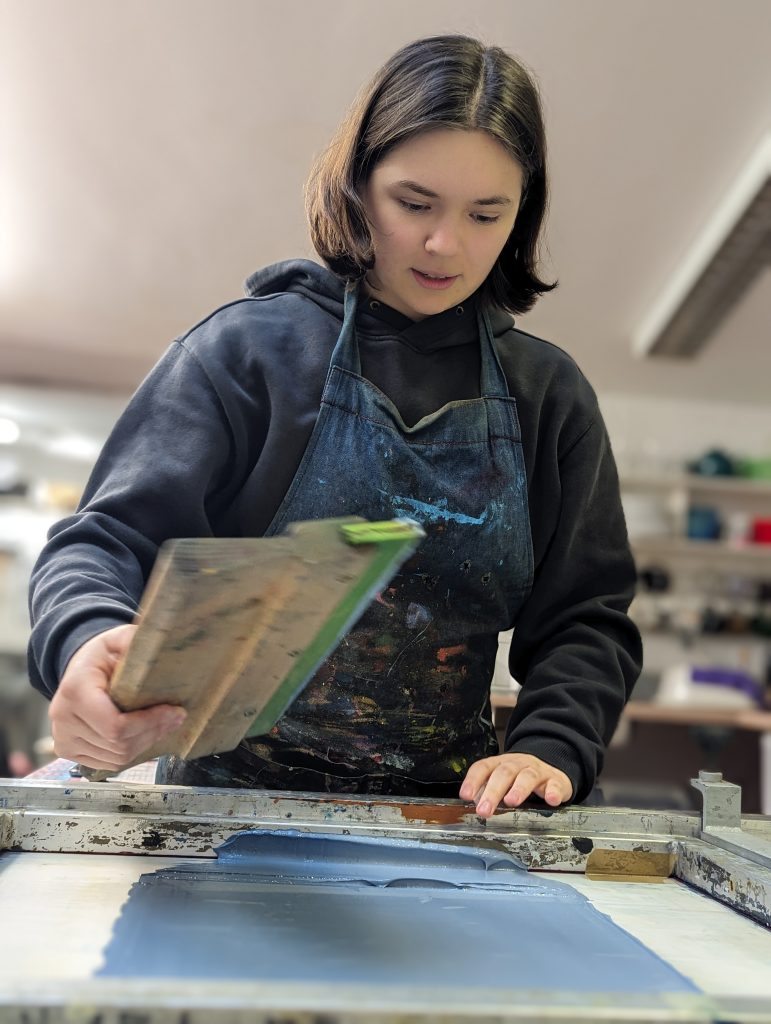
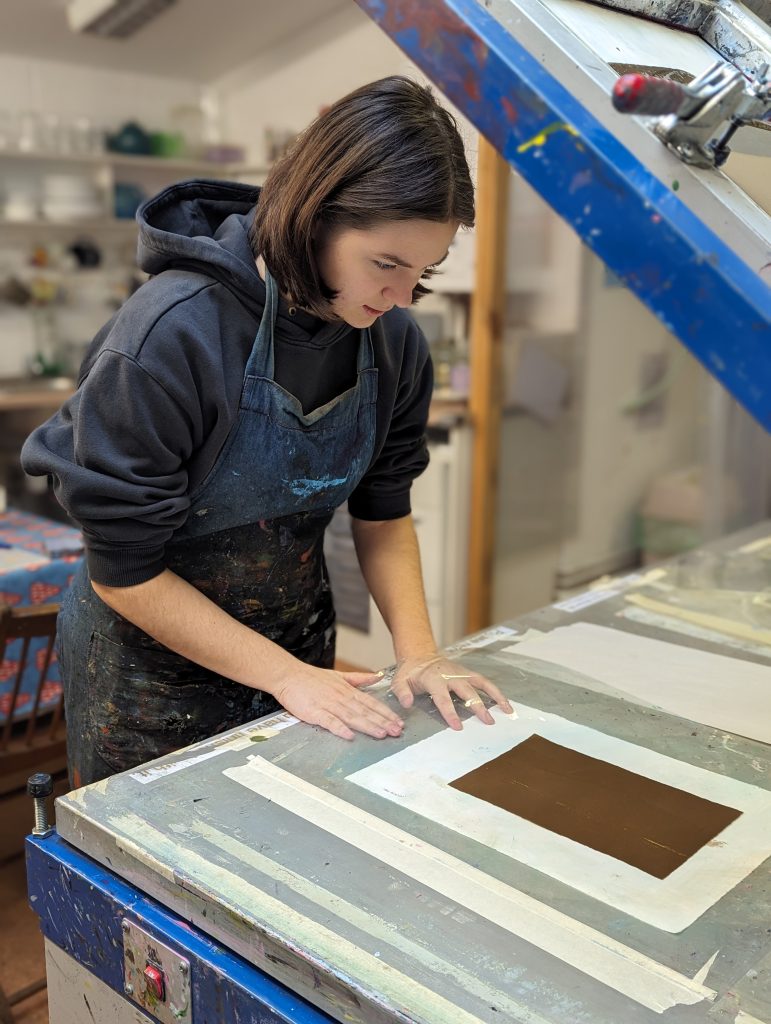
“It was relearning something I already knew with a new twist”
We were delighted when Wanesa won the Young Artist Scholarship at Eisteddfod yr Urdd 2024. A well-deserved and amazing achievement. Read more about her Scholarship award on the BBC Cymru Fyw here.
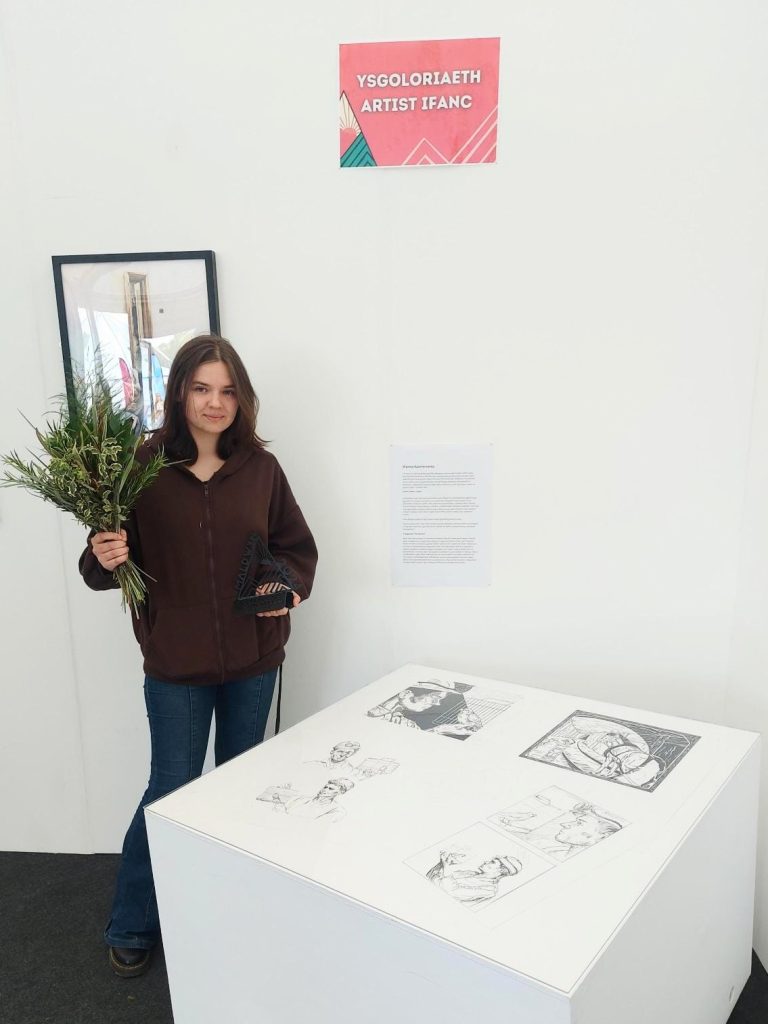
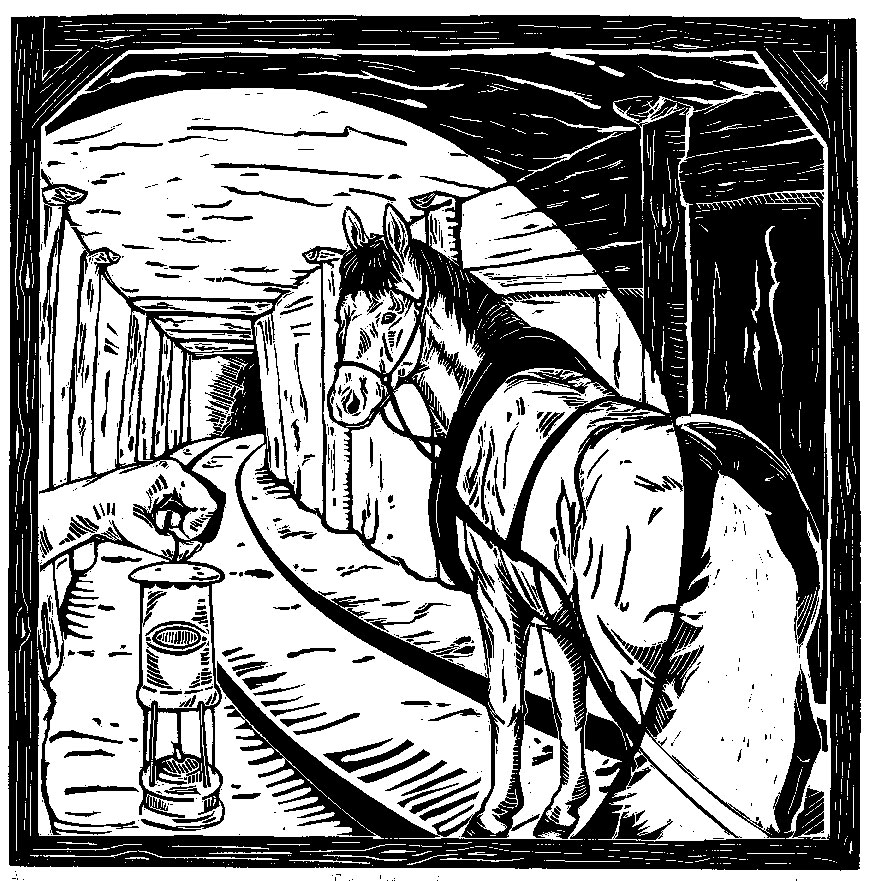
“I am incredibly proud to have won the Young Artist Scholarship at the Eisteddfod this year. I wouldn’t have achieved this without the support of the Swansea Print Workshop. It was through their Miners Project that I created the prints which have brought me to this point, the furthest I’ve ever come in my life. Working on such a prestigious project has filled me with pride and immense gratitude, and the fact I’ve achieved more great things with it is nothing short of amazing.”
Wanesa’s work was selected by Swansea University for the prestigious special MinersImprint collection. The works were first exhibited at the Taliesin Arts Centre, Swansea in 2024 and has since been exhibited on our dedicated online exhibition space and at various venues in south Wales as well as being on permanent display in the new home of the South Wales’ Miners Library in Y Storfa, Swansea.
About Wanesa
At the time of the bursary, Wanesa was studying Art and Design at Gower College, Swansea and pursuing an Art History A-level remotely through AHLU (Courtauld Institute of Art).
Her first real experience in printmaking was during her Fine Art A-level at Gorseinon where she gained some experience with monoprinting, lino printing, and drypoint techniques. She then attended printmaking workshops at the Glynn Vivian, working in etching using recycled everyday items and screenprinting onto fabric. She also participated in SPW’s inaugural MiniPrint Wales Project LINK and her letterpress piece was selected for the project exhibition shown at the Mission Gallery, Swansea.
The Rosy Ind Award offered Wanesa a chance to deepen her interest in the history of printmaking, to learn about the editioning process, to experiment with the etching process in a contemporary way and to explore how linocut might fit with her interest in illustration.
Wanesa benefitted from being able to “immerse myself in the medium of printmaking” in a studio environment where she had access to specialist equipment and materials. She advanced her knowledge and skills through working alongside other experienced artists.
She was able to enrich her work for her Art and Design course with the prints she created during the bursary period and build her art portfolio for university and beyond.
Isabel Porch
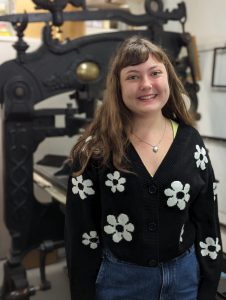
The bursary award offered Isabel the opportunity to “experiment and play”, and to consider printing processes which would enable her to bring heritage crafts into contemporary design, and to explore those which might translate into the motifs she had been making. She was able to learn more about working with different materials and inks with guidance from experienced printmakers
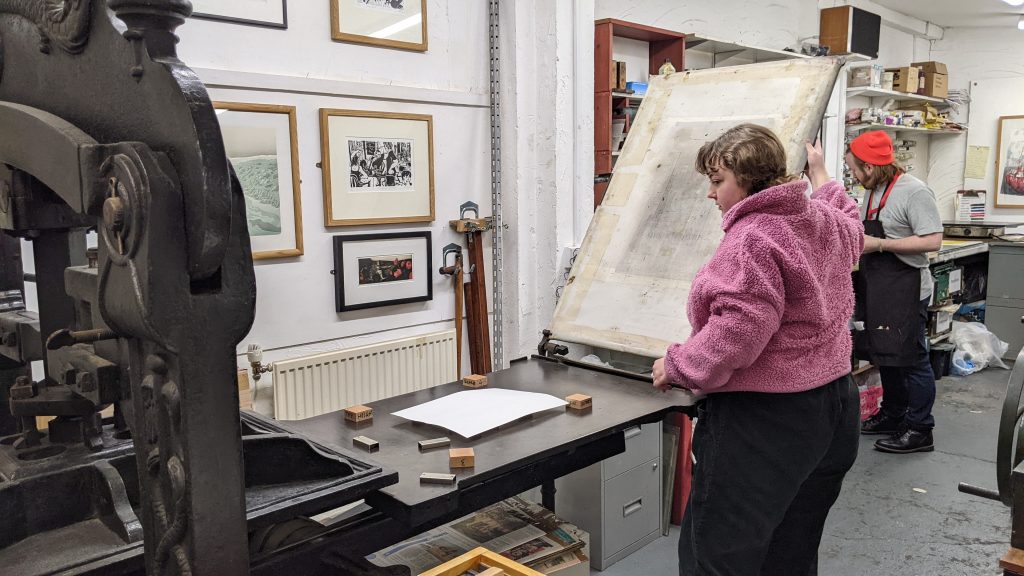
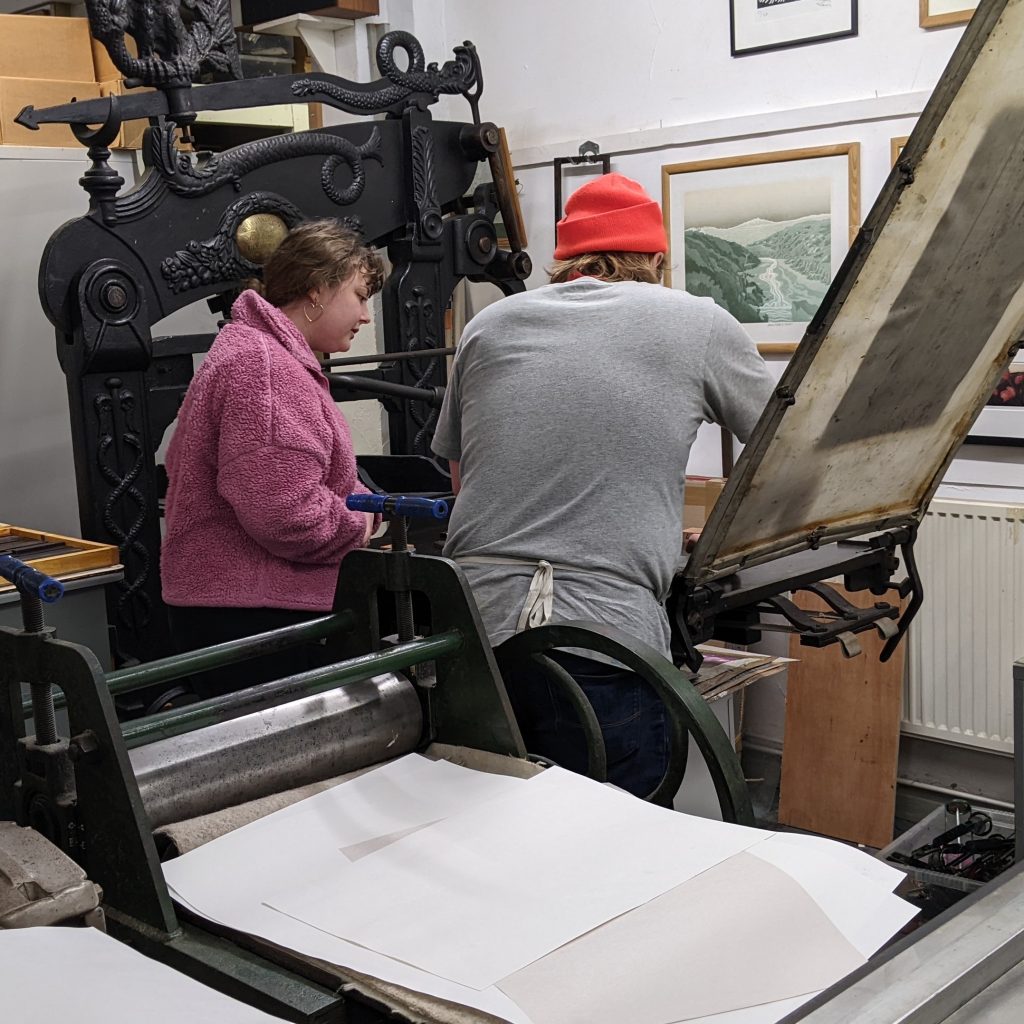
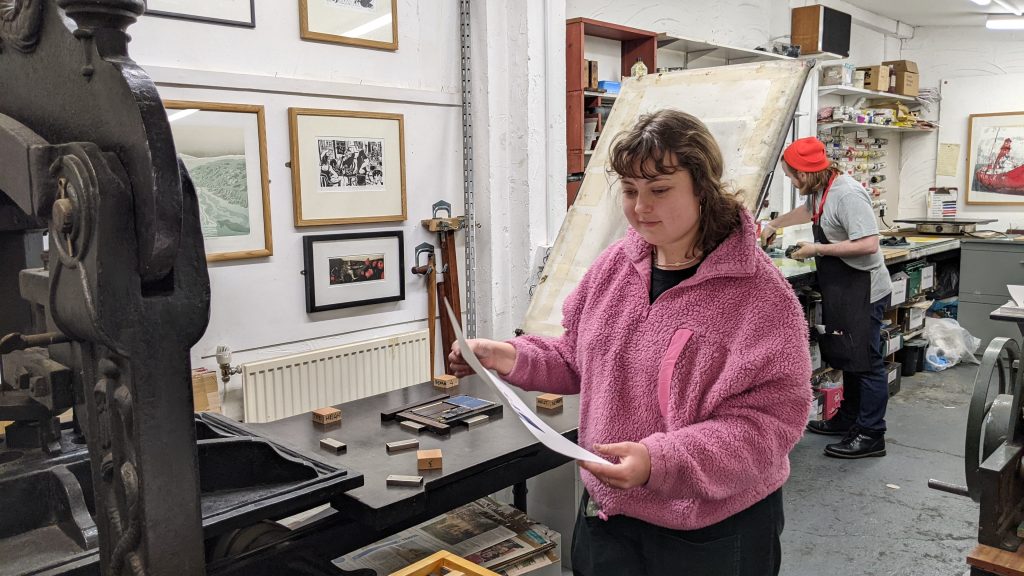
” I have never considered how many types of letters there are and how printmakers use spacings in their work. This was all very new to me and was so informative! I learnt so much through this workshop.”
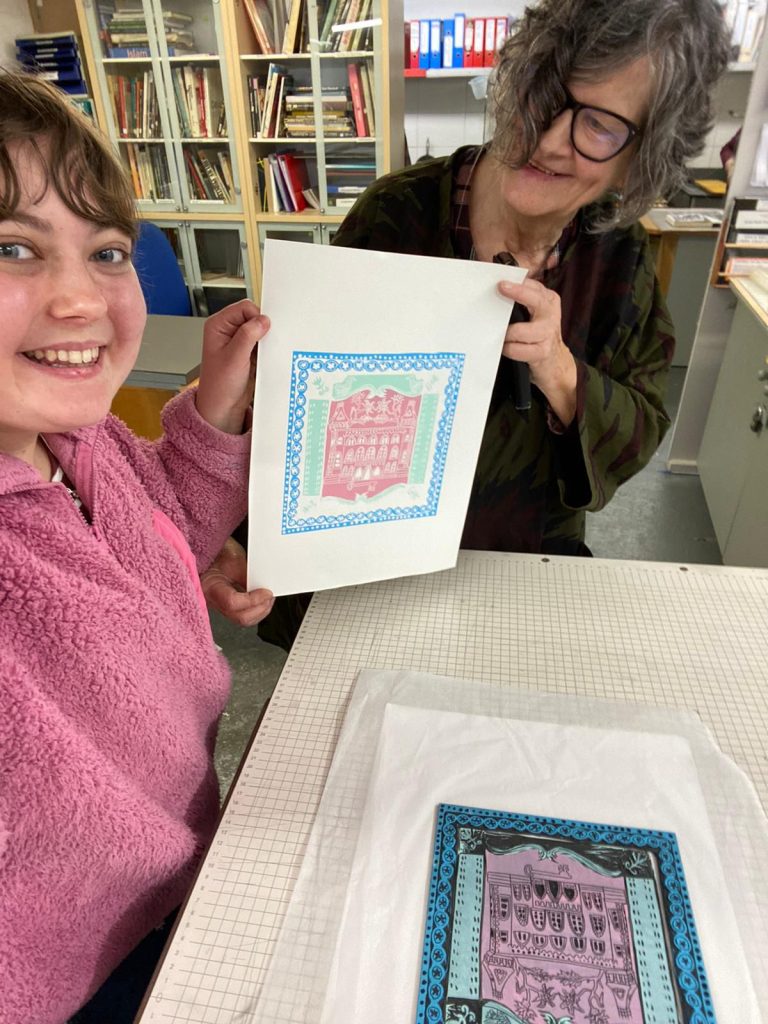
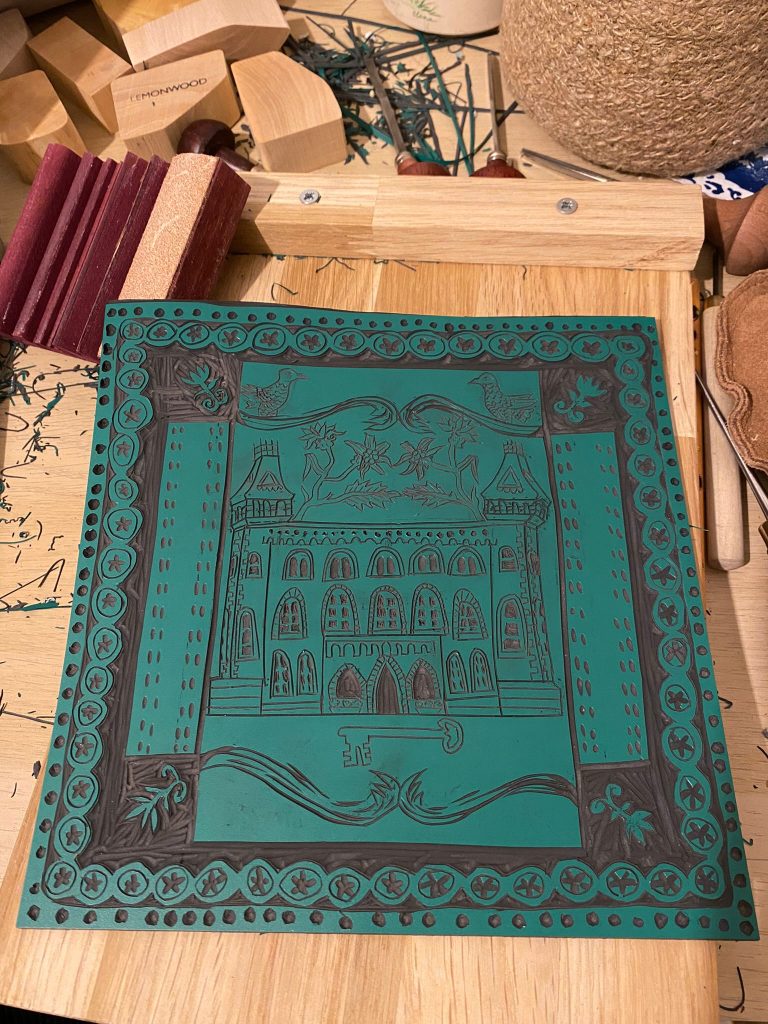
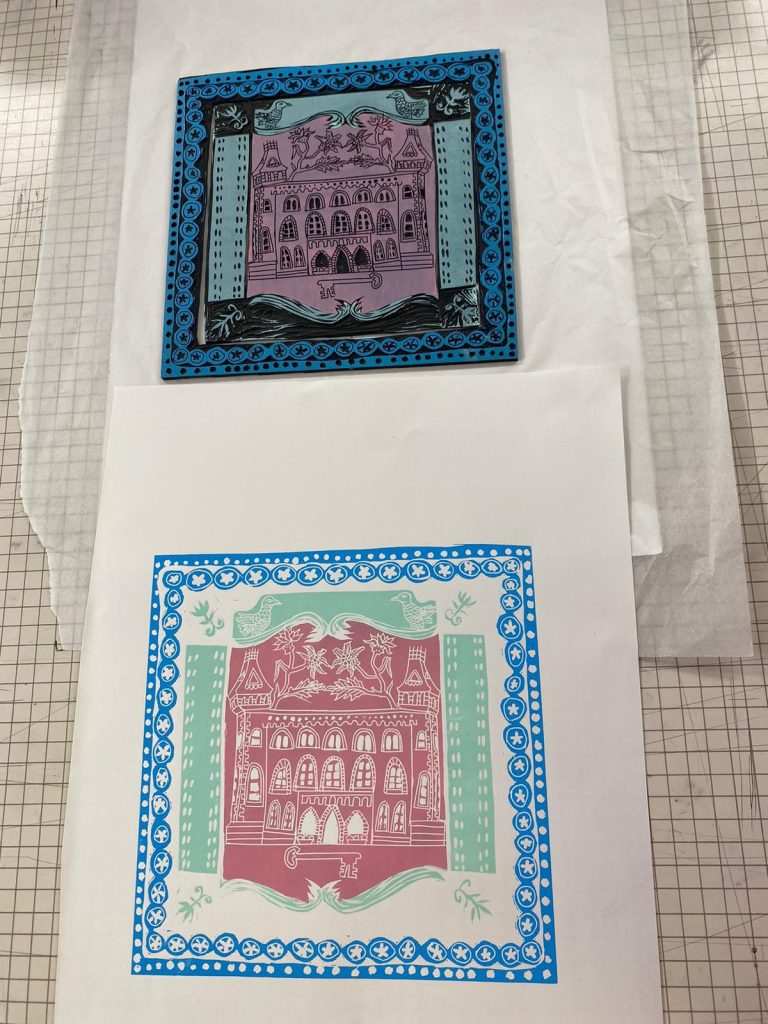
“I loved this session! I loved how smooth it was to cut and how detailed you can be through using it.”
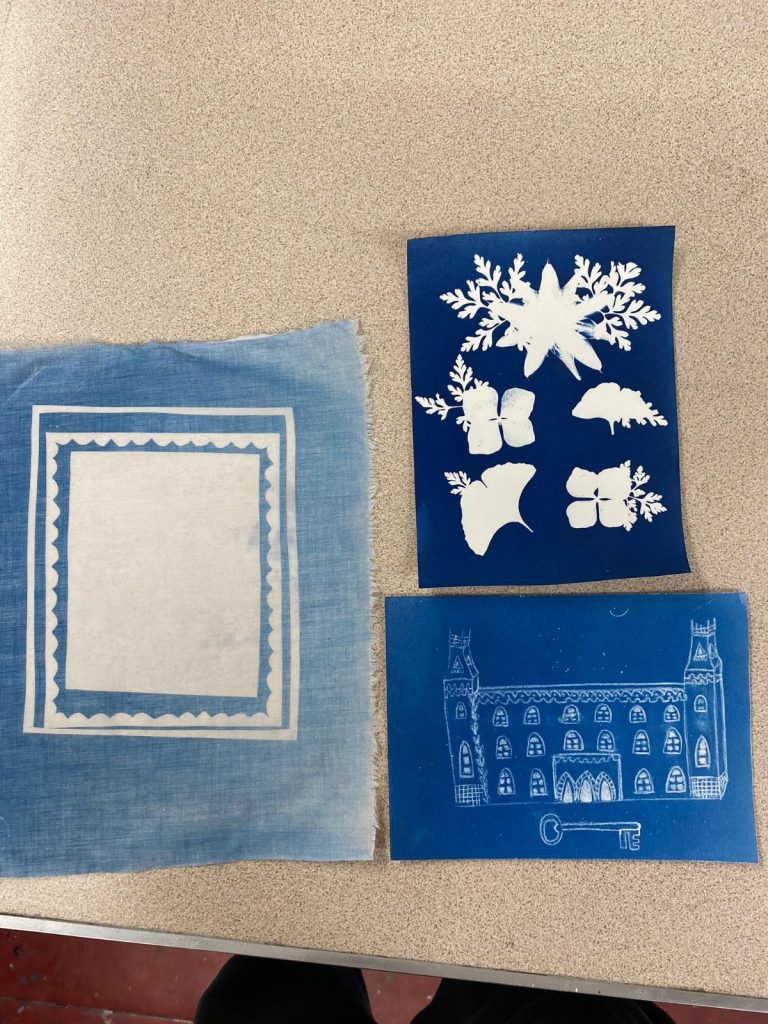
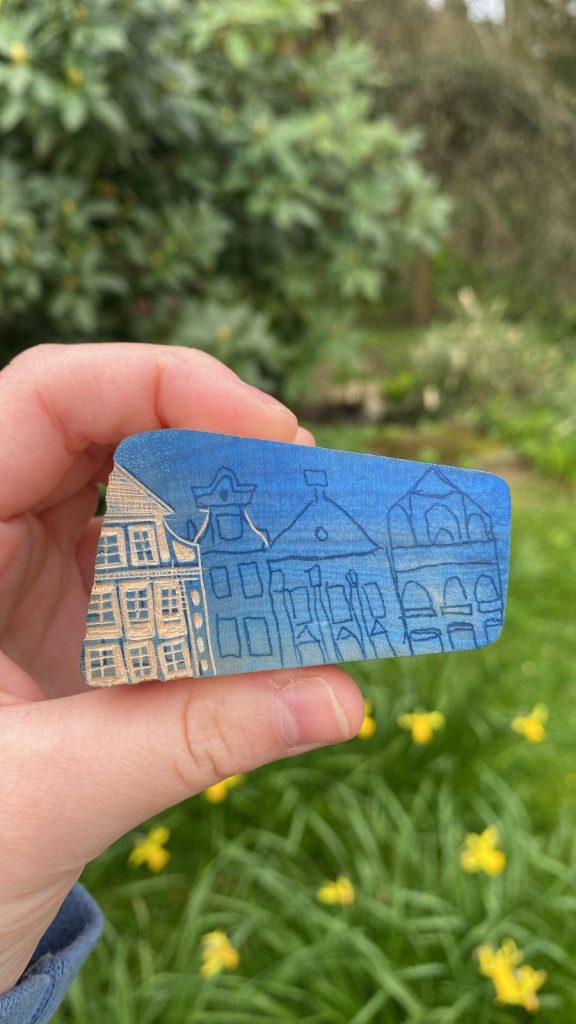
“Wood engraving is a technique I have always wanted to learn and try. Sally Hands was fantastically knowledgeable on wood engraving and gave me lots of information on the subject such as the do’s and don’ts of the wood, tools etc. I really enjoyed this technique and look forward to doing more,”
About Isabel
At the time of her Rosy Ind Emerging Printmakers Bursary Award, Isabel was a recent graduate of UWTSD Swansea in Surface Pattern Design and Textiles.
She was first introduced to printmaking while doing her GCSEs when she created multiple colour layered lino prints, but it was during the last eighteen months of university that she rediscovered her love for the art form.
Woodblock printing appealed to her as a sustainable printing option for fabric and wallpaper as it does not waste water and she was able to use scrap pieces of MDF wood. She created her first full-length of woodblock printed wallpaper on a live brief with Mini Moderns. Realizing this was a process and practise she wanted to keep working with, she based her final major project on woodblock printed wallpapers. This collection was also hand carved and hand pressed onto wallpaper. The work was exhibited at New Designers with great success.
Isabel’s practice “is mostly around her background: her Welsh heritage and personal experiences of the world and place. She is “drawn to the micro histories of objects and tokens, and the stories, character and emotions attached to them.”
Rosy Ind
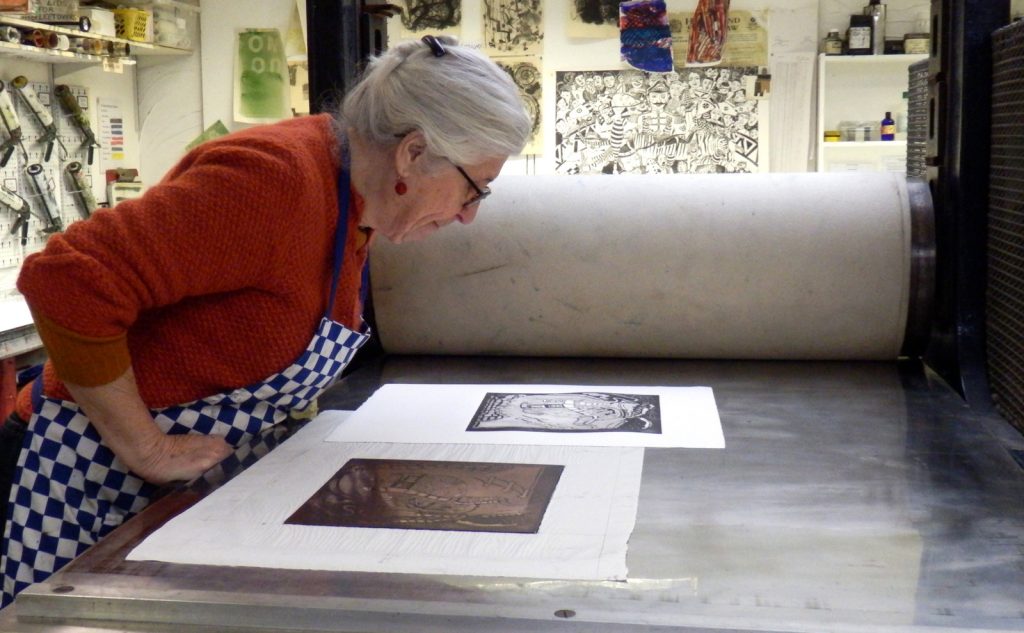
Rosy Ind was assistant to designers Robin and Lucienne Day, to architects Alison and Peter Smithson, and tutor at the Open University and the Cambridge University architecture studios.
Her 1974 thesis was on Joseph Emberton and this was published by Scolar Press in 1983.
Rosy went to Greece to teach English and worked at a school in Athens for 15 years. She was a member of the British School at Athens from 2007 to 2011. Here she was able to use the library for her research on houses for her book on the vernacular architecture of Athens. The illustrated book “ A House with One Column – Athens small houses and their ancestors” was published in 2019.
She came to live in Swansea partly because of her love of Dylan Thomas. She was a member of Swansea Print Workshop for several years where she worked on a number of projects, including “Changing Swansea” (2009) and “Dylan Thomas Dialogues” (2014).
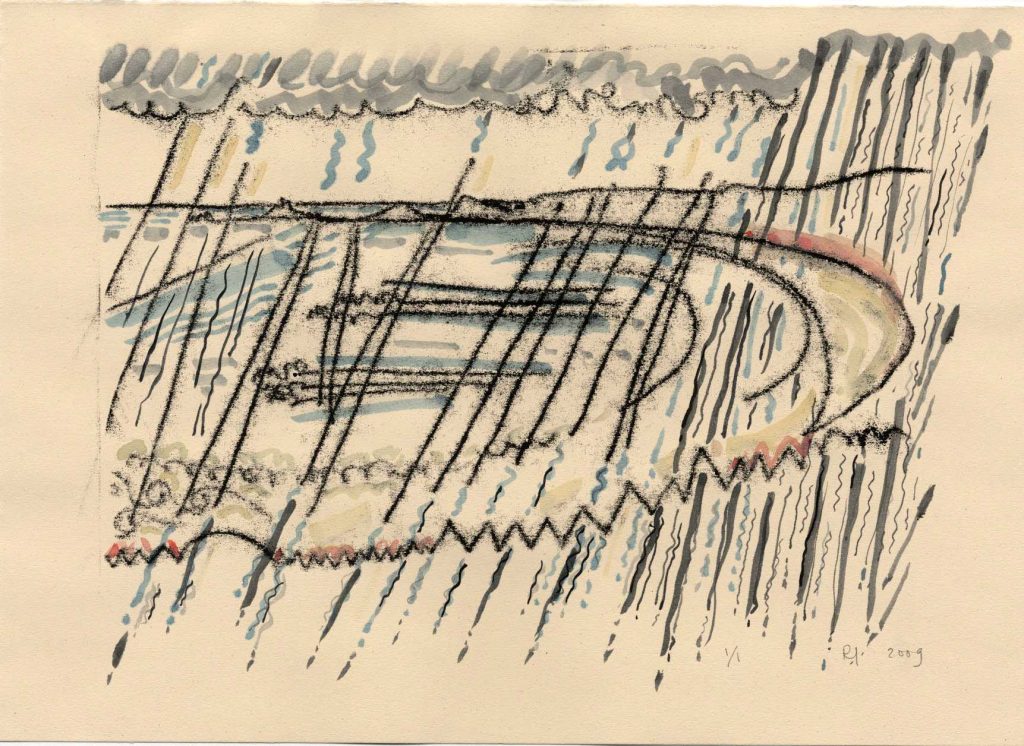
Changing Swansea | 2009
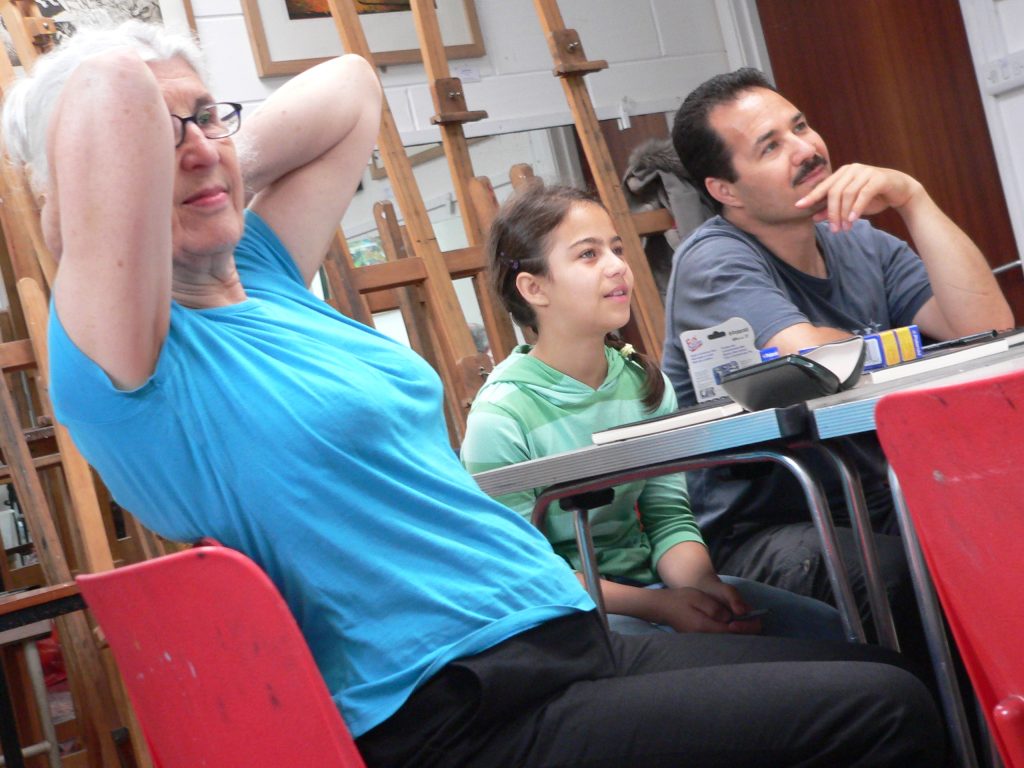
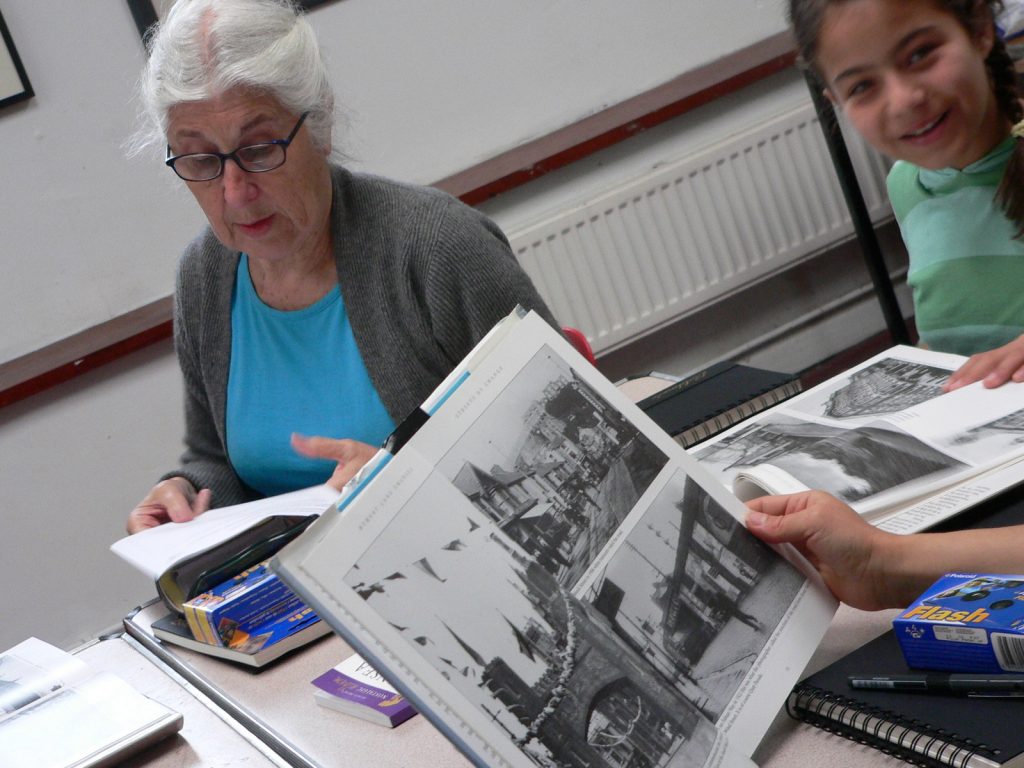
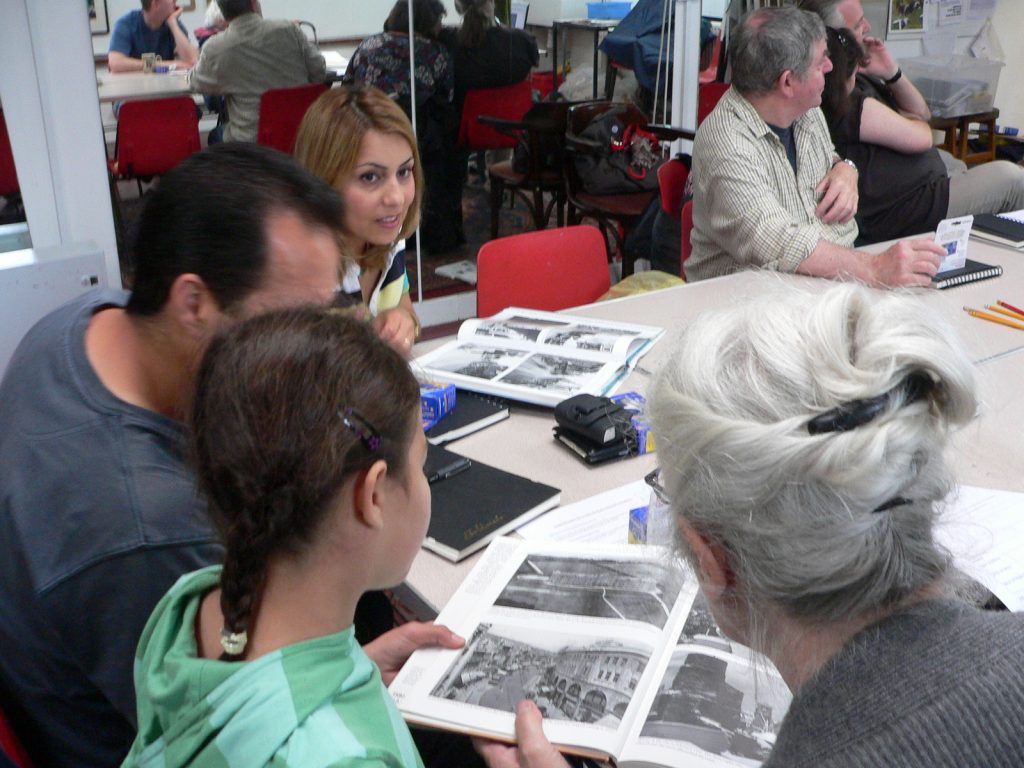
This year long project supported by the Arts Council of Wales involved printmakers from all over the city and beyond in both challenging and interesting ways, responding in a personal way to ‘Changing Swansea…’ through the medium of printmaking.
Support was given to new and very young printmakers to learn the basic skills through a range of subsidised workshops within a programme of visiting artists and masterclasses demonstrating more advanced techniques.


Rosy embraced the project enthusiastically and worked alongside a wide range of contributors to the project learning new skills.
I didn’t know Dylan was posh’ I heard two girls say to each other, and Swansea is comfortable for not being so, but she inherits some aristocratic sculpture on surviving-from-the-bombs Edwardian buildings and this is a relief among the 50s building.
So I intended to show this as part of Changing Swansea. But as I looked at the bay from my grandstand window it seemed to me that the most important change, in the past, in the present, and, threateningly, in the future, is the moment when the rain stops, or doesn’t. So this is the change I have recorded. Rosemary Ind (Catalogue entry for print below)
deialogau DYLAN THOMAS dialogues | 2014
In 2014, came an important and celebratory anniversary for Swansea – a hundred years since the birth of Swansea’s most famous and admired poet in 1914. Thomas’s legacy – a creative seam – runs deep and wide in Swansea, Wales and across the world.
Eighteen Wales-based, established and emerging printmakers explored the theme ‘belonging’ inspired by selected texts by Dylan Thomas and two past winners of the contemporary literature prize, Swansea University Dylan Thomas Prize.
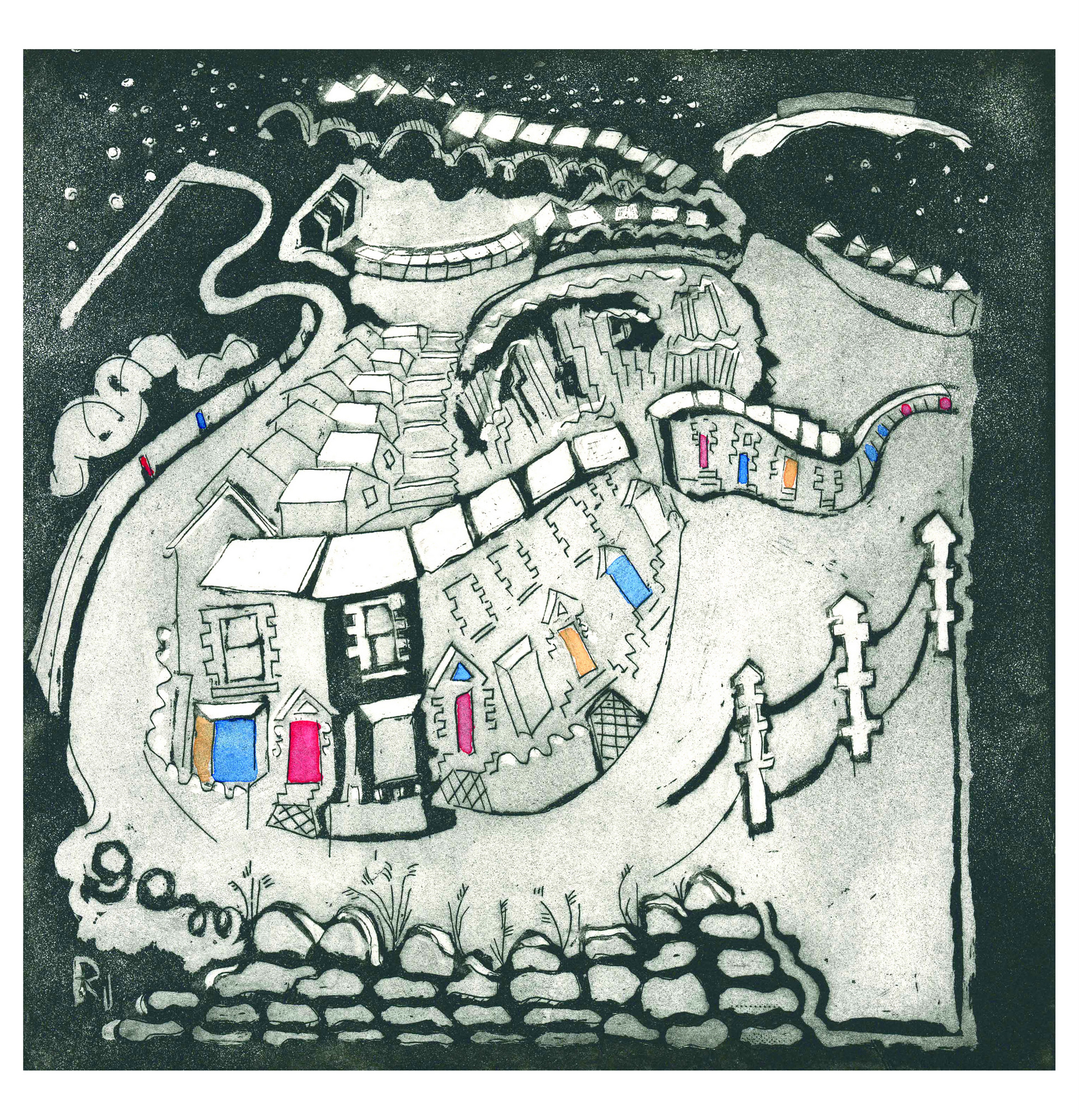
Below is Rosy’s print and her accompanying text in response to …and the powdered fields of the roofs of Milton Terrace and Watkin Street… | Return Journey | Dylan Thomas.
Dylan and Me. In 1959-60 I had escaped from teaching in Battersea to work at Better Books in Charing Cross Road near Mooney’s at Cambridge Circus and the ‘French Pub’ in Old Compton Street. Here Ken Fyfe, the manager, drank, he told us, in the company of Brendan Behan and Dylan Thomas. On Saturday afternoons he entertained, with Vouvray and cheesecake, friends and customers, who ranged from students and teachers at Saint Martin’s, Chelsea and the Central School, to the new poets, writers, playwrights, typographers, designers and architects of that time. The admirable Ken, with the permission of the owner, the also admirable Tony Godwin, who wanted us educated, let us take books home. We had to leave their jackets with him, not get biscuit crumbs in them and that was when I first read Dylan Thomas. When I came to live in Swansea, I didn’t know anyone but my father’s uncle had lived in two rooms in Mount Pleasant and my grandfather had been the schoolmaster at Llangasty Tallyllyn. That was almost enough to give me a sense of belonging but when I heard that Dylan Thomas had lived here – ‘if it’s good enough for Dylan, it’s good enough for me’, I thought and Portia, Wordsworth and Milton added more reassurance. Dylan, the snowman, looked up from the High Street and saw the snow-white roofs of Milton Terrace and Watkin Street. I went and checked; he could only have seen the roofs of Milton Terrace. So I contrived an impossible view of the joggled white roofs of his picture and also gave the lovely sweep of the roads, and the Renaissance facades of Watkin Street their proper place in his vision. Rosy Ind | And the powdered fields
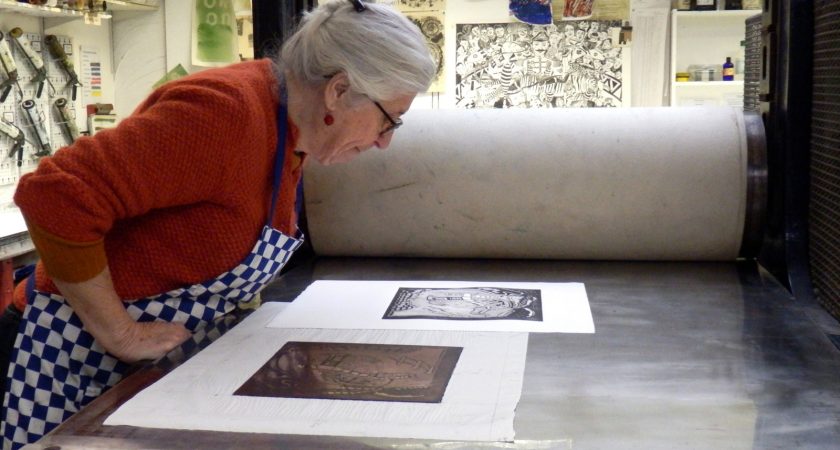
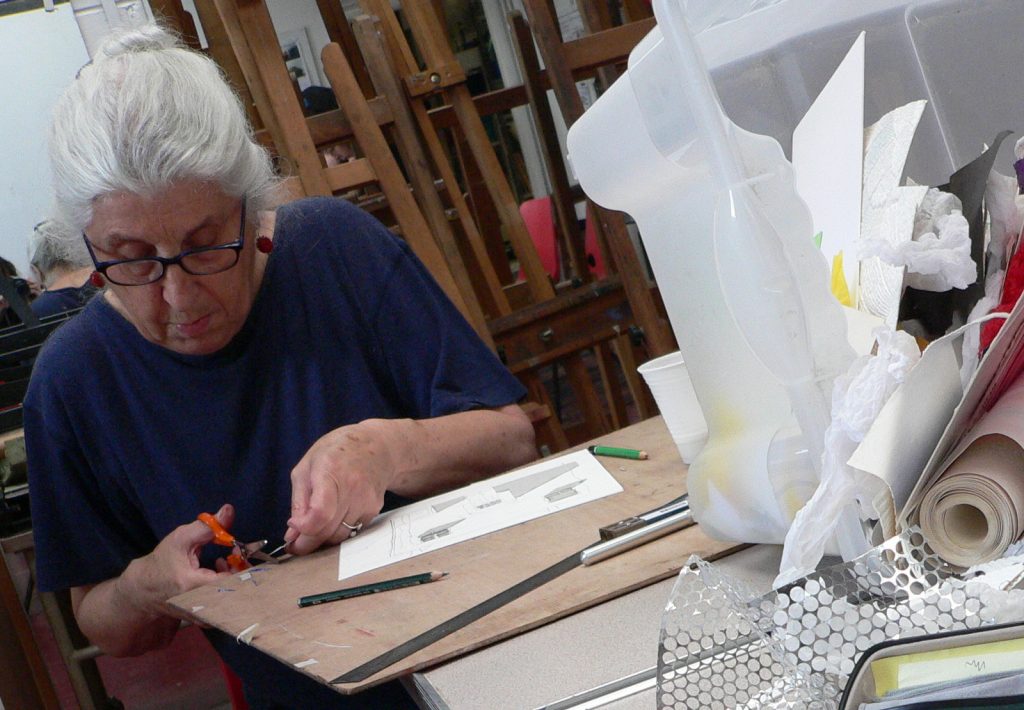
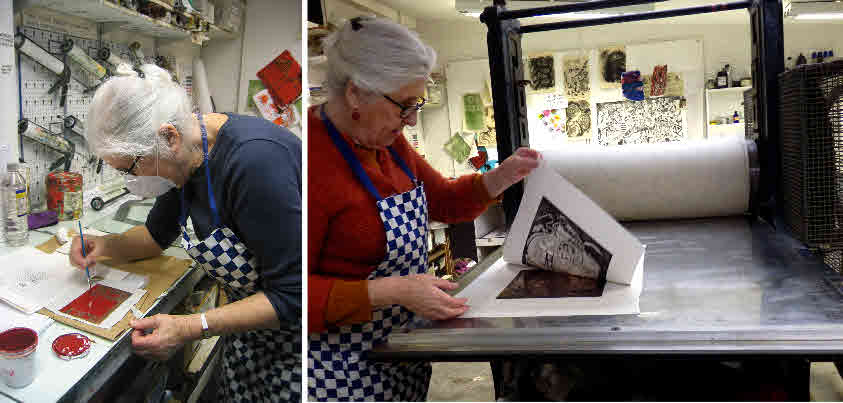
Rosy working in the SPW Studio
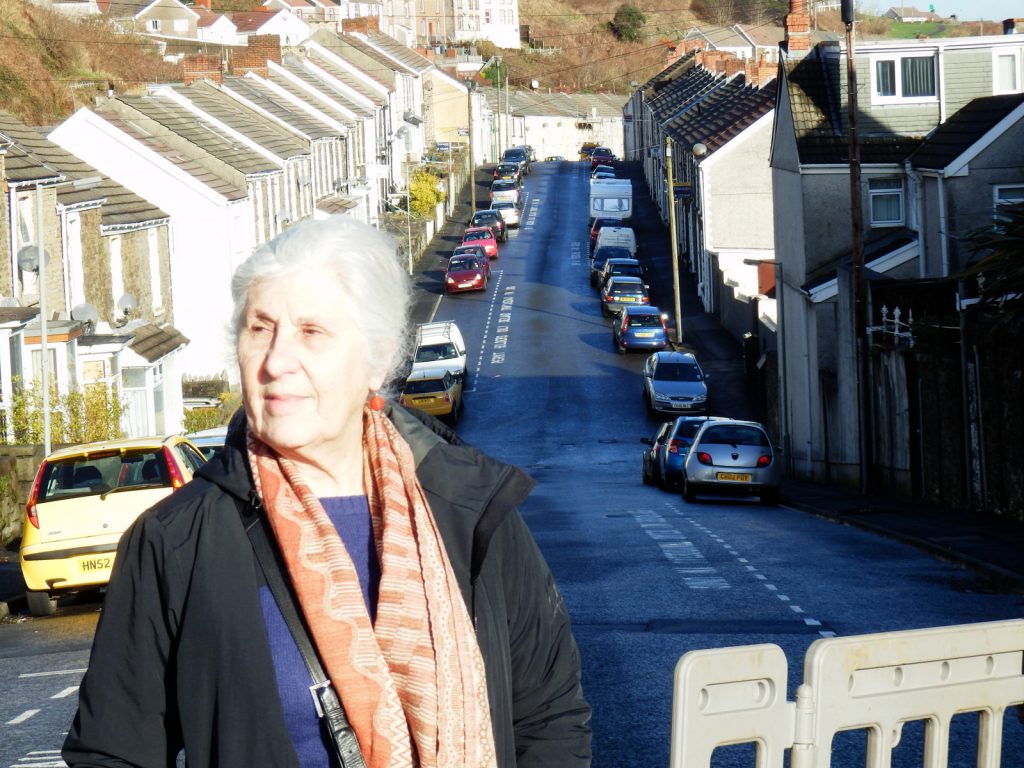
Rosy drawing at the Glynn Vivian